How to Start Investing in Wine with Just One Euro and No Hidden Fees
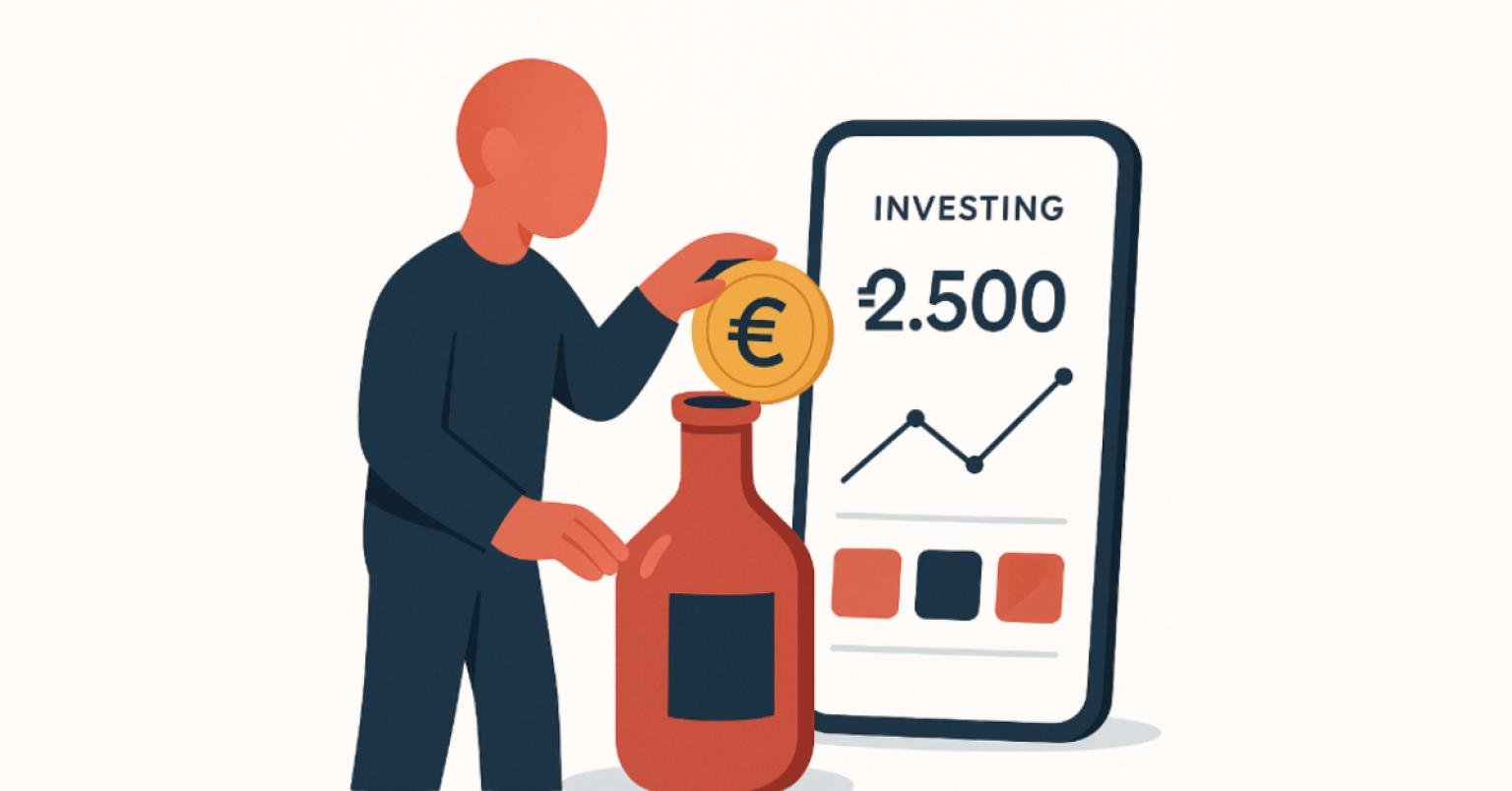
Wine investment has long been the domain of the wealthy, with high entry barriers keeping most people out of this lucrative market. But today, platforms like WineFortune's fine wine broking platform are democratizing access to this alternative asset class, allowing anyone to start investing in fine wine with as little as €1.
Why Invest in Wine?
Before diving into how to start, let's understand why wine deserves a place in your investment portfolio:
- Impressive returns: Fine wine has historically delivered average annual returns of 8-12%, with some regions like Burgundy yielding over 2000% returns in a 15-year period
- Portfolio diversification: Wine has a low correlation with traditional markets (0.19 with MSCI World, 0.12 with S&P 500)
- Inflation hedge: As a tangible asset, wine often maintains value during economic uncertainty
- Market resilience: Fine wine typically outperforms equities during market downturns
- Enjoyment factor: Unlike stocks or bonds, wine is a physical asset you can potentially consume (try drinking a stock certificate—not recommended!)
Getting Started: 6 Steps for Beginner Wine Investors
1. Educate Yourself
Before investing a single euro, take time to understand the basics:
- Key regions: Bordeaux, Burgundy, Champagne, Tuscany, and Napa Valley dominate investment-grade wines
- Influential factors: Vintage quality, producer reputation, critic scores, and scarcity drive wine values
- Market trends: Follow resources like the Liv-ex Fine Wine 1000 index to understand market movements
Think of wine knowledge like tannins in a fine Cabernet—the more you develop it, the better structure your investment strategy will have.
2. Determine Your Investment Approach
Choose the method that best fits your goals and resources:
- Wine investment funds: The most accessible option for beginners, allowing you to pool resources with other investors for expert-managed portfolios
- Direct bottle purchases: For those wanting physical ownership (requires more knowledge and higher capital)
- Fractional ownership: Purchase shares of high-value bottles through platforms
- Wine futures (en primeur): Buy wines still in barrels at potentially lower prices (higher risk)
3. Select a Platform or Fund
For beginners, the easiest entry point is through a reputable platform or fund:
- WineFortune Premium Selection LP Fund: Start with just €1, targeting 13%+ annual returns with transparent fees (1.5% management fee, 20% performance fee)
- Wine List Membership: Access exclusive wines with the option to exchange your investment for physical bottles
When evaluating platforms, prioritize transparency, track record, and fee structure. As the saying goes in wine circles: if you can't see through the fee structure, you probably can't trust what's in the bottle either.
4. Understand Storage Solutions
Proper storage is crucial for maintaining wine value:
- Professional storage: Most wine investment funds handle this for you in bonded warehouses
- Temperature control: Consistent 12-14°C (55-57°F) is ideal
- Humidity management: 70% humidity prevents cork drying
- Light protection: UV light damages wine over time
- Vibration minimization: Excessive movement disrupts aging
Think of storage as the cellar master of your investment—it silently preserves value while the wines mature.
5. Diversify Your Holdings
Even with a small investment, diversification principles apply:
- Geographic spread: Include wines from different regions to mitigate localized risks (frost in Bordeaux won't affect your Napa Valley holdings)
- Vintage variation: Mix different years to balance maturity timelines
- Producer range: Include established names and promising newcomers
- Price points: Combine blue-chip investments with growth opportunities
A well-diversified wine portfolio is like a perfect meal—each element complements the others while offering its own unique characteristics.
6. Adopt a Long-Term Perspective
Wine investment rewards patience:
- Holding period: Expect to hold for 5-10 years for optimal returns
- Regular assessment: Review your portfolio annually to identify underperforming assets
- Market monitoring: Stay informed about critic reviews, vintage reports, and economic conditions
Remember, fine wine develops complexity with time—and so do its returns. Great wines, like great investments, aren't rushed.
Understanding the Risks
Wine investment isn't without challenges:
- Market volatility: Prices fluctuate based on demand, economic trends, and critic opinions
- Authenticity concerns: Counterfeit bottles exist, especially for rare vintages
- Liquidity challenges: Selling may take time, particularly for niche selections
- Storage risks: Improper conditions can damage wine and diminish value
- Knowledge gap: Without expertise, you might make poor selection decisions
Just as a wine can have flaws, so can investment strategies—recognizing the risks helps you minimize their impact.
Best Wines for Investment
While your fund manager will make selections, understanding what makes wines investment-worthy helps:
- Bordeaux First Growths: Château Lafite Rothschild, Château Margaux, and Château Latour offer reliable appreciation
- Burgundy Grand Crus: Domaine de la Romanée-Conti and Domaine Leroy produce highly sought-after wines with limited production
- Super Tuscans: Sassicaia and Ornellaia show strong growth potential
- Cult Californians: Screaming Eagle and Opus One have achieved iconic status with limited availability
For a comprehensive guide, see which wines to invest in for detailed analysis.
Managing Investment Costs
Understanding the wine investment costs is crucial for maximizing returns:
- Entry costs: As low as €1 with WineFortune's fund
- Management fees: Typically 1.5-3% annually
- Storage fees: Usually included in fund management but can be €10-20 per case annually for direct ownership
- Insurance: 0.5-1% of wine value annually for direct ownership
- Transaction costs: Consider selling commissions when calculating potential returns
Like cork taint can ruin a great wine, hidden fees can spoil your investment returns—transparency matters.
Tax Considerations
Wine can offer tax advantages in some jurisdictions:
- Capital gains exemptions: In some countries, wine is considered a "wasting asset" exempt from capital gains tax
- Bonded storage: Keeping wine "in bond" may defer duty and VAT payments
Always consult a tax professional about the tax benefits of wine investing in your jurisdiction.
Getting Started with WineFortune
WineFortune offers two primary ways to begin your wine investment journey:
- The Fine Wine Investment Fund: Start with just €1, benefit from expert management, and target 13%+ annual returns through the wine investment fund
- The Wine List Membership: Access exclusive wines with the flexibility to exchange your investment for physical bottles
Both options provide transparent fee structures and expert management to help you navigate the complex fine wine investment market.
Conclusion: Uncorking Your Investment Potential
Wine investment combines financial opportunity with the pleasure of fine wine appreciation. With platforms like WineFortune democratizing access, you can now start building a wine portfolio regardless of your budget.
Remember that successful wine investment requires patience, research, and a long-term perspective. By understanding the fundamentals, choosing the right platform, and diversifying appropriately, you can potentially enjoy both financial returns and the unique satisfaction of investing in one of the world's oldest luxury goods.
Ready to start? Explore WineFortune's fine wine marketplace or learn more about wine portfolio management to begin your journey into the fascinating world of wine investment.
Read next
Top Investment Wine Brands Worldwide That Deliver Serious Portfolio Value
Investment-grade wines have emerged as a compelling alternative asset class, offering both portfolio diversification and the unique pleasure of potentially enjoying your investment. For retail and alternative asset investors looking...
Wine Investment Strategies: Uncorking Returns in a Volatile Market
Fine wine investment offers a compelling blend of portfolio diversification, steady growth potential, and the unique pleasure of possibly enjoying your asset. With the global wine market projected to reach...
Wine Investment Risks and Strategies for Smarter Risk Management
Fine wine investment offers attractive returns averaging 10% annually since 1988, but like any investment, it comes with distinct risks that require careful management. Understanding these risks and implementing effective strategies within...