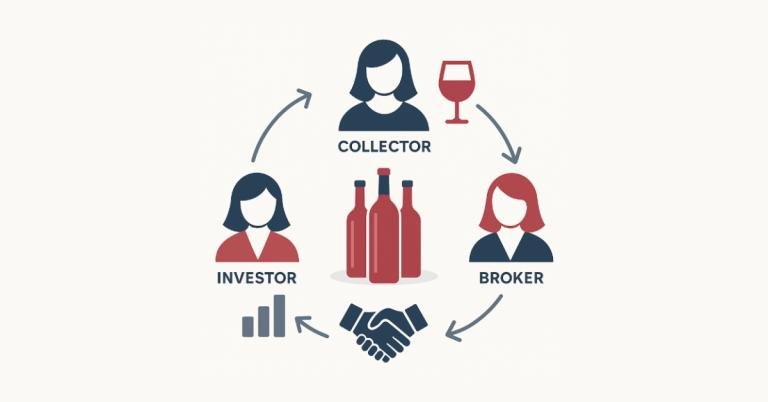
Wine Investment Strategies: Uncorking Returns in a Volatile Market
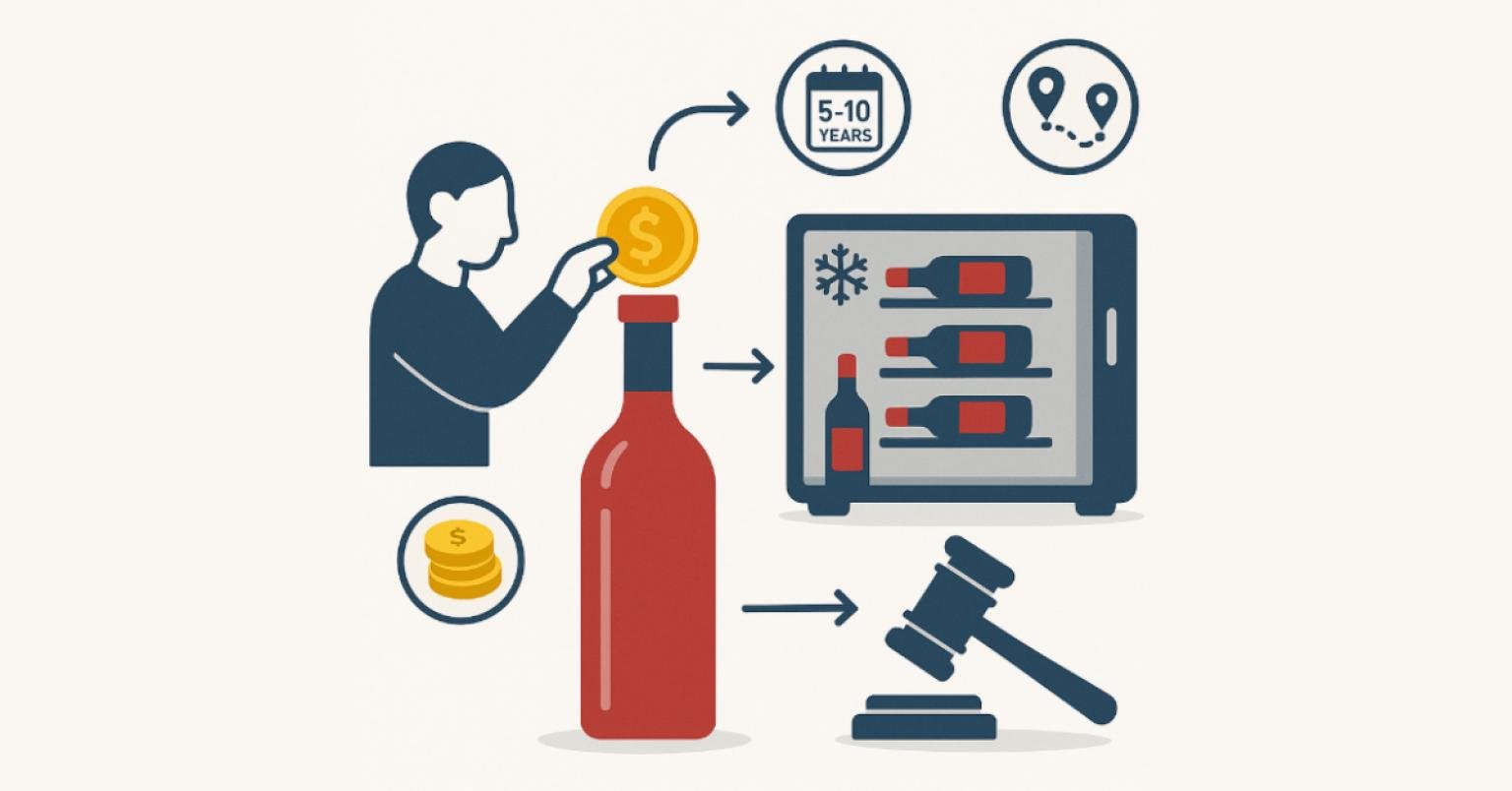
Fine wine investment offers a compelling blend of portfolio diversification, steady growth potential, and the unique pleasure of possibly enjoying your asset. With the global wine market projected to reach $525 billion by 2025, now is an opportune time to explore strategic approaches to wine investing that can yield both financial returns and personal satisfaction.
Market Outlook: Is Wine Still a Good Investment?
The fine wine market is showing strong signs of stabilization after recent corrections, with several indicators pointing to a positive outlook:
- Regional Diversification: Bordeaux's dominance has dropped from 96% of trades in 2010 to less than one-third today, with growth in Burgundy, Champagne, and emerging regions like Piedmont and Napa Valley
- Return Expectations: Industry forecasts suggest 7-10% average returns in 2025, with particular optimism for Piedmont (20% potential growth), Champagne (17%), and Burgundy (14%)
- Price Stabilization: Many premium wines, including Bordeaux First Growths and Grand Marque Champagnes, are trading at multi-year lows (30% below peaks), creating attractive entry points
- Inflation Resilience: Fine wine continues to demonstrate strength as a hedge against inflation, maintaining its historical role as a safe haven during economic uncertainty
The Liv-ex Fine Wine 1000 index reveals fine wine's resilience during economic cycles, with returns typically less tied to public markets than traditional investments. This pattern has held true through multiple market cycles, reinforcing wine's reputation as a stable store of value.
Profitability: What Returns Can Wine Investors Expect?
Historical performance data provides compelling evidence for wine's investment potential:
- The Liv-ex Fine Wine 100 index rose 270.7% over two decades (2001–2021)
- Fine wine has demonstrated an average annual return of 8-12% over the long term
- Specific regions like Burgundy have yielded returns exceeding 2000% over 15 years for certain producers
Case studies of individual wines highlight the appreciation potential:
- Wines like Lafite 2019 and Promontory 2016 have shown consecutive gains even during broader market corrections
- Limited-production wines from prestigious producers typically appreciate more significantly due to the fundamental imbalance between supply and demand
- As one WineFortune expert notes: "You can't drink a gold bar, but you can savor a fine Bordeaux while it grows in value"
Consider the iconic 1982 Château Lafite Rothschild, which initially sold for around $40 per bottle and now commands upwards of $5,000 – representing over 12,000% appreciation. While such extreme examples aren't the norm, they illustrate the potential when you combine quality, scarcity, and patience.
Diversification Benefits: Why Wine Belongs in Your Portfolio
Fine wine offers several distinct advantages as a portfolio component:
- Low Correlation: Fine wine prices often move independently of traditional assets (0.19 correlation with MSCI World, 0.12 with S&P 500), reducing overall portfolio risk
- Tangible Asset: Unlike purely financial instruments, wine is a physical asset with intrinsic value that can't be erased by market crashes
- Inflation Protection: Fine wine has historically performed well during inflationary periods, maintaining purchasing power
- Regional Balancing: Balancing exposure across regions like Bordeaux, Burgundy, and Italy helps lower the investment risks
Goldman Sachs has highlighted fine wine's role in hedging against market uncertainty, emphasizing its importance for diversification in uncertain economic environments. During the 2008 financial crisis, for example, the S&P 500 fell over 38% while the Liv-ex Fine Wine 100 declined just 17% before quickly recovering – demonstrating wine's relative stability when traditional markets falter.
Practical Investment Approaches: How to Start Investing in Wine
WineFortune's Fine Wine Investment Fund
The WineFortune Premium Selection LP Fund (WFPS) offers a turnkey solution for wine investment:
- Start investing from just €1, making fine wine accessible to all investors
- Target annual returns of 13% or higher with planned dividend payments
- Professional management combining technical market analysis with wine expertise
- Transparent fee structure: 1.5% management fee on invested capital and 20% performance fee with high watermark protection
The fund's approach combines technical analysis of market transaction data with the expertise of seasoned wine professionals. This dual methodology allows the fund to identify undervalued wines with strong appreciation potential while avoiding the pitfalls that often trap amateur investors.
The Wine List Membership
For investors seeking both appreciation and potential physical enjoyment:
- Access to exclusive fine wines in their perfect drinking window
- Global selection from prestigious regions including France, Italy, Spain, and beyond
- Option to exchange your investment for physical wine
- Management fee of 1.8% per year with 15% success fee on profit when exchanging vouchers for wines
This innovative model bridges the gap between investment and enjoyment, allowing members to either continue holding their wine as an investment or take delivery when they wish to enjoy it. It's perfect for those who appreciate wine both as a financial asset and a pleasure.
Direct Investment Considerations
If you prefer building your own wine portfolio:
- Selection Strategy: Focus on investment-grade wines (less than 1% of global production) with proven track records
- Storage Solutions: Professional, climate-controlled facilities are essential for maintaining provenance and value
- Cost Management: Account for wine investment costs including acquisition, storage (€10-20 per case annually), insurance (0.5-1% of value), and potential selling fees
- Diversification: Spread investments across regions, vintages, and producers to mitigate risk
- Time Horizon: Expect a 5-10 year investment period for optimal returns
Direct investment requires more hands-on management and research, but also offers maximum control over your collection. You'll need to establish relationships with reputable merchants, arrange proper storage, and maintain detailed documentation of provenance to maximize potential returns.
Building Your Wine Investment Strategy
For Beginners
- Start with the WineFortune Fine Wine Investment Fund to gain exposure with minimal capital
- Educate yourself about which wines to invest in through market research and expert resources
- Consider a small direct investment in established regions like Bordeaux or Champagne
- Monitor performance using tools like the Liv-ex indices
New investors should focus on learning the fundamentals before making significant commitments. The wine world has its own language, traditions, and valuation metrics that can seem opaque to outsiders. Starting with a managed fund while building knowledge provides a gentle entry to this fascinating market.
For Experienced Investors
- Develop a balanced portfolio across established and emerging wine regions
- Implement wine portfolio management strategies including regular performance reviews
- Consider en primeur (futures) purchases for potential value, while understanding the associated risks
- Explore the fine wine marketplace for rare acquisition opportunities
Seasoned investors can take advantage of market inefficiencies and employ more sophisticated strategies. For example, buying en primeur (purchasing wine still in barrels before bottling) can secure allocations of highly sought-after wines at initial release prices, though this approach requires confidence in your ability to identify future stars.
Conclusion: Raising a Glass to Wine Investment
Fine wine investment offers a compelling combination of portfolio diversification, potential appreciation, and the unique satisfaction of owning a tangible luxury asset. With platforms like the fine wine broking platform making entry more accessible than ever, investors can participate in this market regardless of their budget or expertise level.
Whether you're seeking to diversify your portfolio, hedge against inflation, or simply combine passion with investment potential, wine investment strategies can help you achieve your financial goals while possibly enjoying a glass of your success along the way.
Remember that like all investments, wine carries risks including market volatility, storage challenges, and liquidity concerns. A thoughtful, diversified approach with appropriate time horizons will position you to potentially benefit from this fascinating alternative asset class – one that rewards patience with both financial returns and sensory pleasures that few other investments can match.
Read next
Top Investment Wine Brands Worldwide That Deliver Serious Portfolio Value
Investment-grade wines have emerged as a compelling alternative asset class, offering both portfolio diversification and the unique pleasure of potentially enjoying your investment. For retail and alternative asset investors looking...
Wine Investment Risks and Strategies for Smarter Risk Management
Fine wine investment offers attractive returns averaging 10% annually since 1988, but like any investment, it comes with distinct risks that require careful management. Understanding these risks and implementing effective strategies within...