Wine Investment Risks and Strategies for Smarter Risk Management
Fine wine investment offers attractive returns averaging 10% annually since 1988, but like any investment, it comes with distinct risks that require careful management. Understanding these risks and implementing effective strategies within regulatory frameworks is essential for successful wine investing.
Key Investment Risks in Fine Wine
Market Volatility
Fine wine prices fluctuate due to various factors:
- Vintage quality variations: Poor weather conditions severely impacted Bordeaux 2013 vintages, creating a cautionary tale for investors concentrated in a single region or vintage
- Economic downturns: During the 2008 financial crisis, even prestigious wines like Château Lafite Rothschild saw temporary but significant price declines of up to 25%
- Shifting regional preferences: Burgundy wines have seen astronomical returns exceeding 2000% over 15 years, while Bordeaux's former market dominance has gradually eroded as collector tastes evolve
As one veteran wine trader notes, "The fine wine market breathes in and out like a living organism, responding to global economic conditions, but with unique dynamics all its own."
Authenticity and Provenance Concerns
Counterfeiting represents a significant risk in the fine wine market:
- Sophisticated fraudsters can create virtually indistinguishable fake bottles, sometimes even fooling experienced collectors
- Lack of proper documentation can substantially reduce a wine's value, sometimes by 30-50% compared to identical wines with perfect provenance
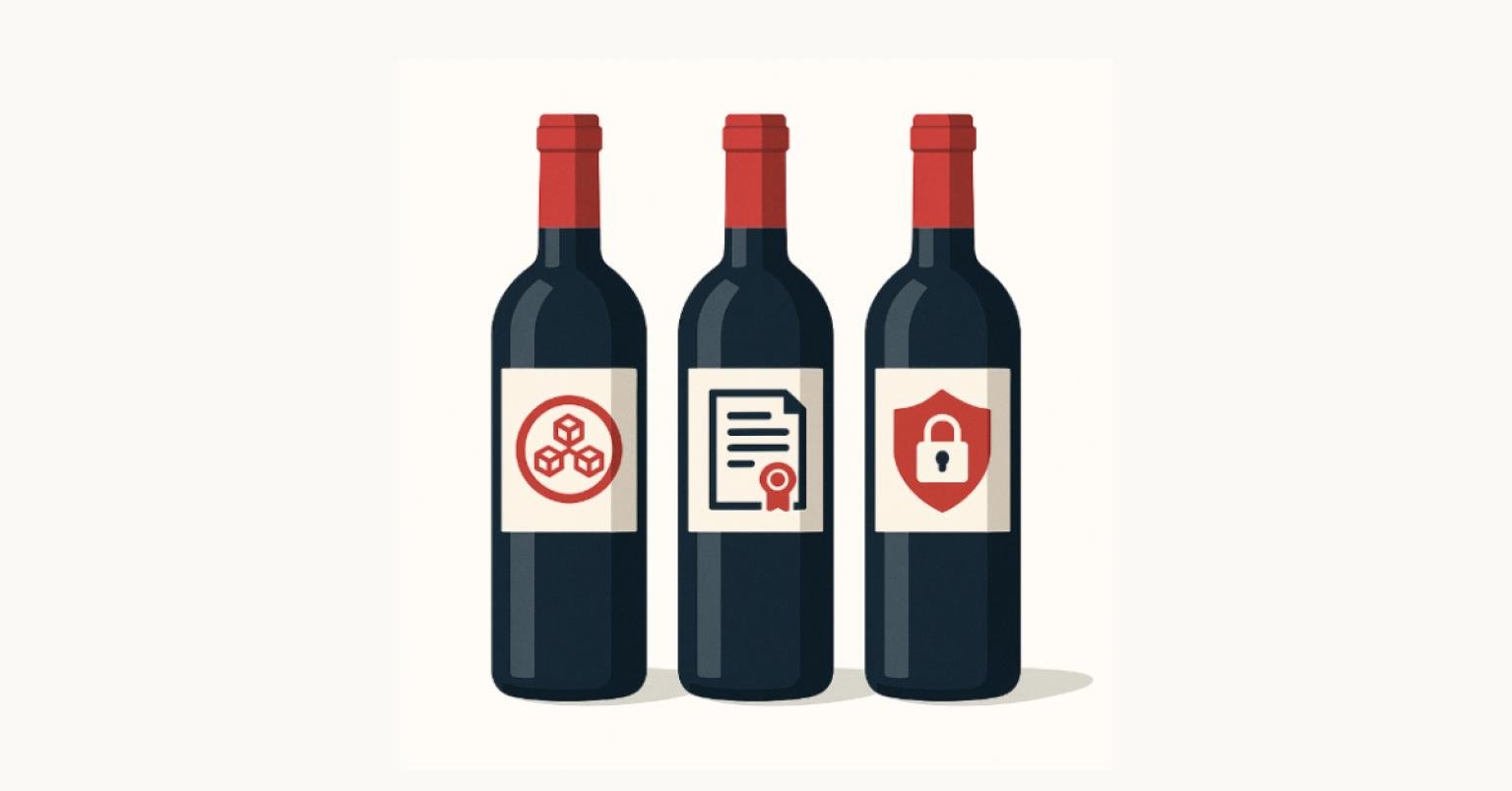
- Blockchain technology is emerging as a solution for tracking authenticity, with several platforms now offering tamper-proof digital certificates for high-value bottles
The infamous case of Rudy Kurniawan, who sold millions in counterfeit wines before his arrest in 2012, highlights the sophistication of wine fraud and the critical importance of purchasing through reputable sources.
Storage and Condition Issues
Improper storage can quickly devalue investment-grade wines:
- Temperature fluctuations, humidity levels, and light exposure all affect wine quality, with experts suggesting even minor deviations can accelerate aging or damage flavor profiles
- Professional bonded warehouses mitigate this risk but add ongoing costs (typically €10-20 per case annually)
- Insurance costs typically range from 0.5-1% of wine value annually, an essential expense given the fragility and value concentration
A collection worth €100,000 might incur €1,000-2,000 in annual storage and insurance costs – a necessary expense to preserve investment integrity.
Liquidity Constraints
While fine wine is relatively liquid compared to some alternative assets, selling challenges exist:
- Market downturns may extend selling periods from weeks to months
- Buyer demand fluctuates by region and producer, with some formerly hot investments cooling dramatically
- Less than 1% of global wines qualify as investment-grade, limiting the market size and potential buyer pool
During economic downturns, selling times can increase by 50-100%, requiring investors to plan for extended holding periods if needed.
Valuation Accuracy
Wine valuation involves subjective elements:
- Lack of standardized pricing models creates uncertainty, with different platforms sometimes valuing identical wines at 10-15% differences
- Condition assessment requires expertise that even sophisticated investors may lack
- Market opacity can make accurate valuations challenging, especially for less frequently traded wines
Effective Risk Management Strategies
Portfolio Diversification
Spread investments across multiple dimensions:
- Geographic diversification: Allocate investments across regions (Bordeaux, Burgundy, Italy, Champagne) to mitigate region-specific risks
- Vintage diversification: Include wines from various years to protect against climate and quality risks in any single vintage
- Producer diversification: Balance established names with emerging stars to capture both stability and growth potential
Financial experts recommend allocating only 5-10% of your investment portfolio to fine wine to enhance stability while managing risk exposure. This measured approach provides upside potential without overexposure to a single alternative asset class.
Due Diligence and Authentication
Verify wine authenticity through:
- Purchasing through reputable platforms like the fine wine marketplace, which conduct thorough verification
- Confirming complete provenance history from winery to current ownership
- Checking for proper documentation and authentication markers, including original wooden cases where applicable
A comprehensive authentication process might include examining bottle labels, capsules, corks, and glass, comparing against known authentic examples. Many investors now document these features photographically for future reference.
Professional Storage Solutions
Protect your investment through:
- Climate-controlled bonded warehouses that maintain optimal temperature (52-57°F/11-14°C) and humidity (60-70%)
- Facilities offering comprehensive insurance coverage against damage, theft, and natural disasters
- Storage with proper inventory management systems that track bottle location and movement
Professional storage facilities often provide additional services such as condition reports and valuation updates, adding value beyond basic storage.
Long-Term Investment Horizon
Patience yields better returns:
- 5-10 year holding periods typically generate optimal results, with data showing substantially higher annualized returns compared to short-term trading
- Short-term trading increases transaction costs and tax implications, potentially eroding 3-5% of returns
- Long-term holding allows wines to reach peak maturity and market value, particularly important for age-worthy regions like Bordeaux and Barolo
The data is clear: wines held for 8+ years have historically delivered nearly double the annualized returns of those held for under 3 years.
Expert Guidance
Leverage professional expertise:
- Consider wine investment funds for professional management if you lack specific knowledge
- Use wine portfolio management services to optimize holdings and receive expert guidance
- Monitor performance against benchmarks like the Liv-ex Fine Wine 1000 index to ensure your portfolio keeps pace with the broader market
Even experienced collectors benefit from outside expertise, particularly when entering unfamiliar regions or price points.
Regulatory Considerations for Risk Management
Limited Direct Regulation
The fine wine investment market lacks comprehensive regulatory oversight:
- No dedicated regulatory body equivalent to securities regulators exists for wine investment
- Self-regulation through industry associations predominates, with varying standards and enforcement
- Investors must exercise greater due diligence than in more regulated markets like stocks or bonds
This regulatory environment creates both freedom and responsibility – investors have fewer protections but greater flexibility.
Tax Implications
Tax frameworks vary significantly by jurisdiction:
- VAT and duty considerations affect net returns, with some European countries charging up to 20% VAT on wine purchases
- In-bond storage may defer certain taxes until wines are removed from bond, providing cash flow advantages
- Capital gains implications vary by country, with some nations providing exemptions for certain collectibles including wine
Consulting with tax professionals familiar with alternative assets is crucial before making significant wine investments.
Trade Compliance
International wine investment involves navigating complex trade regulations:
- Import/export restrictions can change suddenly, as witnessed during recent trade disputes
- Tariffs and duties that can change with political climates (like the 25% tariffs imposed on European wines by the US in recent years)
- Documentation requirements for cross-border transactions that vary by country and jurisdiction
These regulatory factors can significantly impact investment returns and should be monitored continuously.
Storage Standards
Regulatory standards for wine storage facilities:
- Temperature and humidity control requirements established by industry standards rather than government regulation
- Security protocols to prevent theft and unauthorized access
- Insurance mandates that protect against loss or damage
Reputable storage facilities adhere to standards exceeding minimal requirements, providing additional protection for valuable collections.
Is Wine Investment Worth the Risk?
When managed properly, fine wine investment offers several advantages:
- Historical returns averaging 10% annually since 1988, outperforming many traditional investments
- Low correlation with traditional markets (0.19 with MSCI World, 0.12 with S&P 500), providing true diversification
- Inflation-hedging properties during economic uncertainty, as demonstrated during recent inflationary periods
The best wine for investment typically combines strong producer reputation, limited production, and excellent aging potential. However, investors should be aware of all wine investment costs including storage, insurance, and management fees that can reduce net returns by 1-3% annually.
Getting Started with Risk-Managed Wine Investment
For investors looking to enter the market with managed risk:
- Start small: Platforms like WineFortune allow entry from just €1 through their Fine Wine Investment Fund, an accessible way to gain exposure without significant capital
- Diversify: Spread investments across regions and vintages to create a balanced portfolio resilient to market fluctuations
- Consider funds: Wine investment funds offer professional management and diversification for those without specific expertise
- Monitor performance: Track your portfolio against wine investment indices like the Liv-ex Fine Wine 1000 to benchmark results
- Stay informed: Follow market trends and critical opinions on specific wines and regions to anticipate shifts in collector preferences
Conclusion
Wine investment offers attractive potential returns but requires understanding and managing specific risks. By implementing diversification strategies, ensuring proper storage, conducting thorough due diligence, and maintaining a long-term perspective, investors can navigate the fine wine market successfully. While regulations remain limited, working with reputable platforms and understanding tax implications are essential components of risk management.
The fine wine investment market continues to evolve with technological innovations improving transparency and accessibility. For those willing to approach wine investment with patience and proper risk management, it remains an appealing alternative asset class that combines potential financial returns with the pleasure of fine wine appreciation.
Read next
Top Investment Wine Brands Worldwide That Deliver Serious Portfolio Value
Investment-grade wines have emerged as a compelling alternative asset class, offering both portfolio diversification and the unique pleasure of potentially enjoying your investment. For retail and alternative asset investors looking...
Wine Investment Strategies: Uncorking Returns in a Volatile Market
Fine wine investment offers a compelling blend of portfolio diversification, steady growth potential, and the unique pleasure of possibly enjoying your asset. With the global wine market projected to reach...