Fine Wine Investment Strategies for Everyone
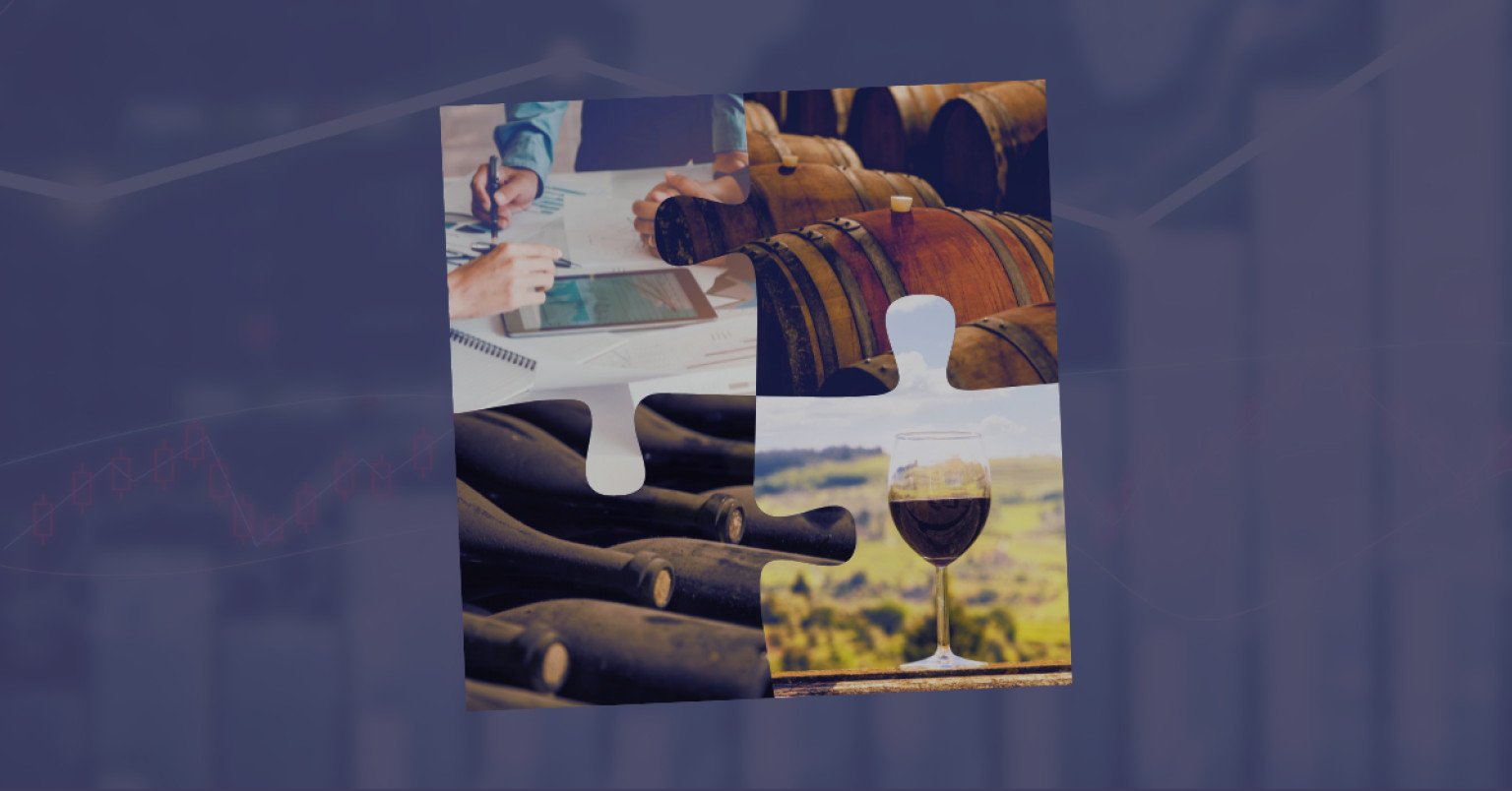
Unlock the potential of your portfolio with the timeless allure of fine wine.
Introduction
Have you ever considered that your next pour could be more than just a delightful indulgence? Investing in fine wine isn't just for connoisseurs—it's a savvy move for anyone looking to diversify their investment portfolio with a tangible asset that has stood the test of time. Fine wine investment offers a unique blend of enjoyment and financial potential, making it an intriguing opportunity for both wine lovers and seasoned investors. In this guide, we'll uncork the strategies, risks, and potential benefits of fine wine investment to help you navigate this lucrative market with confidence.
Why Invest in Fine Wine?
Fine wine has emerged as a compelling alternative asset, offering stability and growth even when traditional markets fluctuate. With a historical compound annual growth rate of up to 12.6% over the last 30 years, fine wine not only enriches your cellar but also your financial prospects. This asset class has demonstrated the ability to outperform more conventional investments, particularly during economic downturns, providing investors with a stable and growth-oriented option in turbulent times.
Diversification and Stability
Wine provides diversification benefits by reducing risk due to its low correlation with stocks and bonds. In times of economic uncertainty, fine wine has demonstrated resilience, often outperforming mainstream equities. By incorporating fine wine into an investment portfolio, investors can mitigate the volatility associated with traditional financial markets. According to Wine Investment's analysis, fine wine's unique performance characteristics can help balance an investment portfolio and potentially safeguard it against market fluctuations.
Tangible Asset with Intrinsic Value
Unlike stocks that can plummet overnight, fine wine is a tangible asset that retains intrinsic value. As wine ages, it becomes rarer and more desirable, potentially increasing in value over time. The finite nature of wine adds to its allure as an investment, as each bottle consumed reduces the overall supply. This scarcity can drive up prices, making it a valuable addition to any investment strategy.
Tax Efficiency
Investing in fine wine can be tax-efficient, as it is often exempt from Capital Gains Tax. This means you can enjoy the fruits of your investment without the usual tax burdens associated with asset appreciation. In many jurisdictions, wine is treated as a "wasting asset" for tax purposes, which means it is not subject to capital gains tax. This can result in significant savings and enhance overall return on investment.
How to Start Investing in Fine Wine
Embarking on your fine wine investment journey involves more than just picking bottles off the shelf. Here's how to get started:
1. Focus on Quality and Selection
Invest in high-quality, rare, and aged wines from reputable vineyards known for consistent excellence. Wines from renowned regions like Bordeaux, Burgundy, and Napa Valley are often considered strong investment choices. These wines have a track record of retaining value due to the prestige of their regions and the meticulous production standards maintained by their wineries.
2. Proper Storage and Maintenance
Protect your investment by ensuring optimal storage conditions. Fine wine requires specific temperature, humidity, and lighting to maintain its quality. Consider professional storage solutions like underground cellars or climate-controlled facilities, which preserve wine in peak conditions, ensuring its longevity and quality over the years.
3. Adopt a Long-Term Outlook
Patience is key. Fine wine is best viewed as a medium to long-term investment, typically over at least three to five years, if not longer. This allows the wine to mature and potentially increase in value. Unlike other commodities, wine improves with age, providing a natural appreciation factor that can exponentially enhance investment returns over time.
4. Conduct Market Research and Timing
Stay informed about market trends, vintage reports, and global events that may impact wine prices. Timing your purchases and sales can significantly affect your returns. Regular engagement with market analysis and expert insights can give investors a competitive edge in identifying promising trends and lucrative opportunities.
5. Leverage Expert Platforms
Utilize specialized platforms like WineFortune's fine wine broking platform to access curated selections and professional guidance. These platforms offer insights into the best wines to invest in, storage solutions, and market analysis. By leveraging their expertise, investors can optimize their wine portfolios and strategically align their investments to maximize returns.
Understanding the Risks
As with any investment, fine wine comes with its own set of risks:
Market Volatility
While historically stable, the wine market is not entirely immune to volatility. Economic downturns or shifts in consumer preferences can affect prices. Contemplating historical performance, like during the Covid-19 pandemic, aids understanding potential market behavior during uncertainty.
Counterfeit Bottles
Counterfeit wines pose a risk to investors. Always purchase from reputable sources and consider services that authenticate and verify the provenance of the wine. Authentication experts and technology, such as blockchain, are being increasingly utilized to ensure the authenticity of wine investments.
Liquidity and Storage Costs
Fine wine is less liquid than traditional assets. Selling may take time, and storage costs can accumulate, impacting overall returns. Storage fees and market demand play a significant role in determining the liquidity of your wine investment.
Maximizing Your Investment Potential
To enhance your chances of success in the fine wine market:
Diversify Your Wine Portfolio
Just as with stocks, diversification can mitigate risk. Invest in wines from different regions, producers, and vintages. A varied collection can protect against adverse market conditions impacting any single category or region disproportionately.
Stay Informed
Regularly update your knowledge through resources like wine investment strategies to understand the evolving market dynamics. An informed investor is better prepared to adjust strategies to maximize returns and mitigate potential risks.
Consider Professional Management
Managed funds or investment services, such as WineFortune's Wine Investment Fund, can offer expertise and resources that individual investors may lack. These services provide access to market insights, trend analysis, and a broadened portfolio, scaling the potential for profitable outcomes.
Introducing WineFortune: Your Partner in Fine Wine Investment
At WineFortune, we make wine investment accessible to everyone. Whether you're starting with just €1 or looking to build an extensive portfolio, we've got you covered.
The Fine Wine Investment Fund
- Low Entry Point: Start investing from just €1.
- Target Returns: We aim for an annual return of 13% or higher.
- Expert Management: Our fund is managed by seasoned professionals, combining data analysis with wine expertise. Learn more about our wine investment fund management.
The Wine List Membership
- Exclusive Access: Gain entry to a curated list of the world's best fine wines.
- Flexibility: Exchange your investment for physical wine, perfect for both investors and enthusiasts.
- Global Selection: Fine wines from France, Italy, USA, and beyond. Learn more about wine list membership.
Frequently Asked Questions
Is It Worth Investing in Fine Wines?
Absolutely. Fine wines have shown consistent growth and can enhance diversification in your portfolio. They provide a unique blend of passion and financial gain, creating an adaptable asset within diverse investment strategies.
How Much Money Do You Need to Invest in Wine?
With platforms like WineFortune, you can start investing with as little as €1, making fine wine investment more accessible than ever. This low barrier to entry democratizes the investment process, inviting a broader audience to participate.
Can I Make Money Buying Wine?
Yes, by selecting high-quality wines and holding them over the medium to long term, you can potentially realize significant returns. Understanding market dynamics, wisely selecting vintages, and employing strategic timing bolster earning potential.
How Do I Start Investing in Fine Wine?
Begin by researching the market, focusing on quality wines, and considering professional services like WineFortune's fine wine exchange to guide your investments. These steps ensure you make informed decisions aligned with market opportunities and potential returns.
Conclusion
Investing in fine wine blends the pleasure of wine appreciation with the potential for financial gain. By understanding the strategies, being mindful of the risks, and leveraging expert resources, you can make informed decisions that may lead to profitable returns. Ready to uncork your investment potential? Discover how WineFortune's Wine Investment Fund can help you start your journey in the world of fine wine investing today. With the right approach, fine wine can be a valuable and rewarding addition to your investment portfolio.
Read next
Top Investment Wine Brands Worldwide That Deliver Serious Portfolio Value
Investment-grade wines have emerged as a compelling alternative asset class, offering both portfolio diversification and the unique pleasure of potentially enjoying your investment. For retail and alternative asset investors looking...
Wine Investment Strategies: Uncorking Returns in a Volatile Market
Fine wine investment offers a compelling blend of portfolio diversification, steady growth potential, and the unique pleasure of possibly enjoying your asset. With the global wine market projected to reach...
Wine Investment Risks and Strategies for Smarter Risk Management
Fine wine investment offers attractive returns averaging 10% annually since 1988, but like any investment, it comes with distinct risks that require careful management. Understanding these risks and implementing effective strategies within...