The Ultimate Guide to the Best Wine Investments
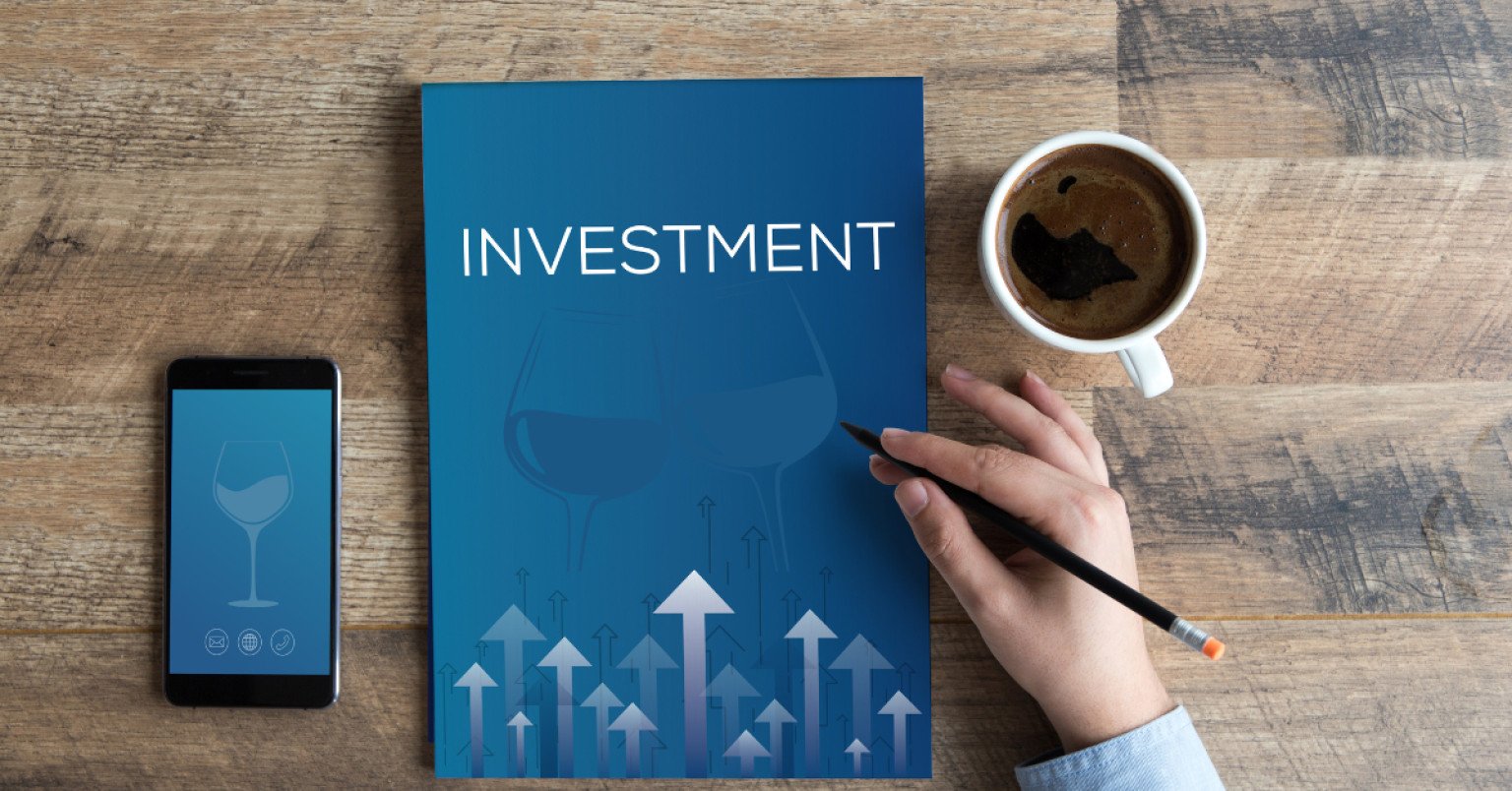
Investing in wine isn't just for sommeliers and collectors—it's a savvy move for investors looking to diversify their portfolios with alternative assets that have a track record of appreciation. Fine wine is an elegant way to enhance your investment strategy, combining the pleasures of fine living with the potential for availing appreciable financial returns. But which wines hold the most promise for investment? In this guide, we'll uncork expert insights to help you navigate the world of fine wine investments and pinpoint the best bottles to enhance your portfolio.
Why Invest in Wine?
You might be wondering, why should I consider wine as an investment? Fine wines have shown considerable resilience, often outperforming traditional equities in market slumps. Experts assert that wine investments can provide stability and impressive returns, offering:
- Diversification: Incorporating wine in your investment strategy can balance your portfolio against stock market volatility, offering a hedge against economic downturns.
- Stable Returns: Historically, top-tier wines demonstrate a strong appreciation over the long term. Their value can increase due to factors like vintage, rarity, and the reputation of the vineyard.
- Tangible Assets: Unlike stocks, wine is a physical asset you can see and touch, providing a sense of security and enjoyment. However, indulging in your investment by tasting it might diminish its financial value!
According to a Vinovest report, fine wine has not only withstood the test of time but has also emerged as a robust investment choice, yielding attractive returns and offering a hedge against inflation with lower volatility compared to conventional investments.
Top Wines for Investment
Ready to pour over the best options? Here's a curated list of wines with the potential for significant appreciation.
1. Bordeaux Wines
Why Bordeaux? Bordeaux's grands crus classés are a cornerstone of wine investment due to their international reputation and consistent demand. This region has an illustrious history of producing some of the finest wines in the world, recognized for their exceptional quality and aging potential.
Top Picks:
- Château Lafite Rothschild
- Château Margaux
- Château Latour
- Château Haut-Brion
- Château Mouton Rothschild
These estates are famed for crafting wines that marry exquisite taste with longevity, making them highly sought after in the secondary market. Their prestige, along with their ability to develop complex flavors over decades, makes them perennial favorites among investors looking for reliable long-term appreciation.
2. Burgundy Wines
The Allure of Scarcity: Burgundy's finest wines are produced in limited quantities, which naturally inflates their value due to supply and demand dynamics. The small vineyard plots in Burgundy contribute to this scarcity, creating an elite class of wines that are much coveted.
Must-Haves:
- Domaine de la Romanée-Conti (DRC)
- La Tâche
- Montrachet
- Chambertin
Despite recent price fluctuations, the rarity and unmatched quality of these wines ensure they remain a compelling choice for savvy investors focused on long-term gains. During auctions or private sales, these wines frequently fetch top dollar, demonstrating consistent interest from collectors worldwide.
3. Rhône Valley Gems
Diversity and Depth: The Rhône Valley offers investment-worthy wines that are gaining attention, known for their full-bodied profiles and complex layers of flavor. This region stands out for its varied offerings, from robust reds to aromatic whites.
Notable Names:
- Guigal's La Landonne (Côte-Rôtie)
- Jean-Louis Chave Hermitage
- Château Rayas (Châteauneuf-du-Pape)
These wines have earned critical acclaim and enjoy increasing demand, which creates room for appreciation. They are often praised for their depth and structure, delivering unique tasting experiences as they mature, an aspect highly appreciated by connoisseurs and investors alike.
4. Champagne Delights
Bubbles with Benefits: Vintage Champagnes from esteemed houses not only bring festive cheer but can also be lucrative investments. The meticulous crafting and aging process contribute to their desirability across the globe.
Investment-worthy Labels:
- Dom Pérignon
- Krug
- Louis Roederer Cristal
These Champagnes are recognized for their exclusivity and consistent premium standing, making them treasure-worthy assets in an investment portfolio. Their limited production and wide recognition as luxury items enhance their potential for future appreciation.
5. Italian Stallions
Resilient and Robust: Italian wines have shown stability even when other markets fluctuate, making them a reliable choice for investors. The diverse terroirs and a long heritage of winemaking contribute to their distinguished profiles.
Key Investments:
- Super Tuscans: Sassicaia, Ornellaia, Masseto, Tignanello
- Piedmont Stars: Barolo and Barbaresco from Giacomo Conterno and Gaja
Insights from Vin-X underline the resilience of these wines, emphasizing their potential for impressive growth. Their structured richness and elegant flavors make them enduring selections for both collectors and investors.
6. Napa Valley Icons
American Excellence: Napa Valley, with its renowned terroir, offers wines that are capturing global investor interest. The valley’s commitment to quality results in wines that deliver impressive returns.
Top Choices:
- Screaming Eagle
- Harlan Estate
- Opus One
These wines boast a combination of critical acclaim and limited availability, making them prime candidates for significant appreciation over time. They have achieved iconic status, resonating with collectors looking to capitalize on the prestige associated with Napa Valley vintages.
Factors to Consider When Investing
Investing in wine is not merely about picking well-known names. It’s crucial to consider these factors:
Scarcity and Demand
Wines with limited production and high demand tend to appreciate more. Look for vintages with low yields or wines from boutique wineries that attract a niche but dedicated following. This scarcity can dramatically drive up prices as demand exceeds supply.
Reputation and Quality
Invest in wines from producers with a proven track record for excellence. Exceptional vintages and high scores from critics can boost a wine’s investment potential. Look for critical accolades and past performance as indicators of continuing value.
Market Trends
Staying informed about the fine wine market can uncover lucrative opportunities. Platforms like WineCap provide valuable insights into market trends and performance, helping you make informed decisions.
Storage and Condition
Proper storage is vital. Wine’s value depends heavily on its condition, so ensure it’s stored in optimal conditions such as climate-controlled facilities to maintain its integrity. Investing in storage solutions underscores the importance of preserving wine for future resale.
Starting Your Wine Investment Journey
Feeling inspired but unsure where to start? Enter WineFortune, a fine wine broking platform online that makes wine investment accessible to everyone. This platform simplifies wine investment, making it easy for novices and seasoned investors alike to enter the market.
The Fine Wine Investment Fund
- Low Entry Point: Begin your investment journey from just €1.
- Target Returns: Aims for an annual return of 13% or higher, providing appealing financial prospects.
- Expert Management: Combines technical analysis with seasoned wine expertise, offering managed investment opportunities backed by industry knowledge.
Learn more about the wine fund and how it can fit into your investment strategy.
The Wine List Membership
- Exclusive Access: Secure the most coveted fine wines in a competitive market.
- Flexibility: Option to exchange your investment for physical wine, bridging the gap between financial and personal enjoyment.
- Global Selection: Choose from fine wines sourced from regions such as France, Italy, the USA, and beyond.
Discover how the Wine List Membership can enhance both your investment portfolio and your personal cellar, offering a direct route to indulging in and profiting from the world's finest wines.
Addressing Common Questions
Is wine investment risky? Like any investment, there’s risk involved. However, fine wines have demonstrated lower volatility compared to traditional assets, offering more stability.
How long does it take for wine investments to appreciate? Typically, significant appreciation occurs over 5 to 10 years, depending on the wine and market conditions. Patience is key in maximizing potential returns.
What is the minimum amount to start investing? With platforms like WineFortune's fund, you can start with as little as €1, making it accessible for beginners and democratizing investment opportunities.
Sip Into the Future
Investing in wine combines the sophistication of fine living with the strategic growth of smart investing. Whether you're a seasoned investor or just starting, the wine world offers opportunities as rich and varied as the flavors in a Grand Cru. As wine continues to captivate investors and enthusiasts alike, now is an opportune time to explore and engage with this dynamic alternative asset class.
Ready to begin your journey? Explore WineFortune's fine wine exchange to find the best wine to invest in for 2023 and beyond, setting a foundation for a prosperous and engaging investment experience in the world of fine wines.
Disclaimer: Investing in wine involves risks, including market fluctuations and the potential loss of capital. Always conduct thorough research or consult with a financial advisor before making investment decisions.
Read next
Top Investment Wine Brands Worldwide That Deliver Serious Portfolio Value
Investment-grade wines have emerged as a compelling alternative asset class, offering both portfolio diversification and the unique pleasure of potentially enjoying your investment. For retail and alternative asset investors looking...
Wine Investment Strategies: Uncorking Returns in a Volatile Market
Fine wine investment offers a compelling blend of portfolio diversification, steady growth potential, and the unique pleasure of possibly enjoying your asset. With the global wine market projected to reach...
Wine Investment Risks and Strategies for Smarter Risk Management
Fine wine investment offers attractive returns averaging 10% annually since 1988, but like any investment, it comes with distinct risks that require careful management. Understanding these risks and implementing effective strategies within...