How to Invest in Fine Wine: A Complete Guide

Fine wine investment offers a unique opportunity to diversify your portfolio with a tangible asset that has historically delivered stable returns. Whether you're a wine enthusiast or simply looking for alternative investments, this guide will walk you through everything you need to know about investing in fine wine.
Why Invest in Fine Wine?
Fine wine has proven to be a resilient investment option with several key advantages:
- Portfolio Diversification: Wine typically has a low correlation with traditional assets like stocks and bonds, helping balance your investment portfolio during market fluctuations.
- Stable Returns: Fine wine has historically outperformed traditional assets during market downturns, with the Liv-ex Fine Wine 1000 index showing consistent growth over time – even during economic recessions when other markets faltered.
- Tangible Asset: Unlike stocks or cryptocurrencies, wine is a physical asset you can actually touch (and potentially enjoy), providing a genuine hedge against inflation.
- Lower Volatility: Fine wine often exhibits less price volatility than stocks, making it a more stable investment option for those seeking smoother returns.
- Potential Enjoyment: Let's face it – if your Bitcoin investment tanks, you can't exactly drown your sorrows in it. Wine, however, offers the unique "liquid dividend" of consumption if you choose.
Getting Started with Wine Investment
Investment Methods
There are several ways to invest in fine wine, each with different entry points and management requirements:
- Direct Purchase: Buying individual bottles or cases of investment-grade wine to hold and sell later.
- Wine Investment Funds: Pooled investments managed by professionals who handle all aspects of selection and storage.
- Fractional Ownership: Purchasing shares in high-value bottles without needing to buy entire cases.
- Wine Futures (En Primeur): Pre-purchasing wine still in barrels, typically at lower prices than when bottled.
- Online Exchanges: Trading through platforms like WineFortune's fine wine exchange where you can buy and sell with greater liquidity.
Starting Budget
Contrary to popular belief, you don't need to be wealthy to start investing in fine wine:
- With WineFortune's Fine Wine Investment Fund: Start from just €1 – yes, that's not a typo!
- Direct purchases: Typically €500-€10,000+ depending on the wine quality and rarity
- Recommended for a well-diversified portfolio: €5,000-€10,000
Think of wine investment like building a cellar – you can start with a single bottle and gradually expand your collection as your knowledge and budget grow.
What Makes a Wine Investment-Worthy?
Not all wines are created equal when it comes to investment potential. The difference between a €20 supermarket bottle and an investment-grade wine is like comparing a family sedan to a vintage Ferrari.
Top Regions for Wine Investment
- Bordeaux: The blue-chip of wine investing, featuring First Growth châteaux like Lafite Rothschild, Mouton Rothschild, and Latour. These wines have centuries of prestige and global demand.
- Burgundy: Home to the world's most expensive wines, including Domaine de la Romanée-Conti (DRC) and Armand Rousseau. Extremely limited production makes these wines particularly valuable.
- Champagne: Prestigious houses like Dom Pérignon and Krug produce vintage champagnes with excellent aging potential.
- Italy: Super Tuscans like Sassicaia and Ornellaia, along with traditional Barolos, have gained significant investment traction.
- Napa Valley: America's premier wine region features cult wines like Screaming Eagle and Harlan Estate that command incredible prices.
Key Investment Factors
- Scarcity: As wine enthusiasts like to say, "They're not making any more 2010 Château Lafite!" Limited production increases value as bottles are consumed over time.
- Producer Reputation: Established producers with centuries of excellence command premium prices.
- Critic Scores: High ratings from respected critics like Robert Parker can significantly impact price. A perfect 100-point score can double a wine's value overnight.
- Vintage Quality: Exceptional years like 2009 and 2010 in Bordeaux command premium prices – mother nature's contribution to your investment.
- Aging Potential: The best investment wines improve with age for decades, unlike that bottle of everyday Merlot in your kitchen.
- Provenance: Verifiable history and proper storage ensure authenticity and quality – the wine equivalent of a clean vehicle history report.
WineFortune's Investment Options
The Fine Wine Investment Fund
WineFortune's Premium Selection LP Fund (WFPS) offers a unique opportunity for wine investment that democratizes access to this traditionally exclusive asset class:
- Minimum Investment: Start from just €1 – making fine wine investing accessible to virtually everyone
- Target Returns: Aiming for 13%+ annual returns based on historical market performance
- Management: Experienced professionals using technical analysis of transaction data and wine expert knowledge
- Fees: Transparent structure with 1.5% management fee on invested capital and 20% performance fee with "high watermark" protection
- Future Innovations: Developing artificial intelligence for enhanced technical analysis and NFTs for fine wines in the Web3 space
The fund plans to pay annual dividends starting no later than the third year after establishment, providing potential income streams alongside capital appreciation.
The Wine List Membership
For those who appreciate fine wine and want investment flexibility with a more hands-on approach:
- Diverse Selection: Access to fine wines from traditional regions like France and Italy, but also exciting options from Spain, Germany, USA, Chile, Argentina, South Africa, Australia, and New Zealand
- Flexibility: The unique option to exchange your investment for physical wine – perfect for collectors who might want to eventually enjoy their investments
- Fee Structure: Competitive 1.8% annual management fee and 15% success fee applied only when exchanging vouchers for wines
Managing Risks in Wine Investment
While wine investment offers attractive benefits, it's important to understand the potential risks and how to mitigate them:
- Market Volatility: While generally stable, wine prices can fluctuate based on demand shifts, particularly in emerging markets like China where taste preferences evolve.
- Storage Risks: Improper storage can literally turn your investment into expensive vinegar. Professional storage facilities maintain optimal temperature (55-59°F), humidity (60-70%), and protection from light and vibration.
- Authenticity Concerns: Counterfeit wines exist, particularly for rare and expensive bottles. Working with reputable dealers and funds helps mitigate this risk.
- Liquidity Challenges: Unlike stocks that can be sold instantly, physical wine may take weeks or months to sell at optimal prices.
- Tax Implications: Wine investment tax varies by jurisdiction – in some countries, wine is considered a "wasting asset" with potential tax advantages, while others treat gains as standard capital gains.
Wine Investment Process
1. Research and Education
Start by learning about wine investment markets and trends. Understand which wines have historically performed well and why. Subscribe to publications like Wine Spectator or Decanter, and follow expert critics whose palates align with market preferences.
2. Define Your Investment Strategy
Decide on your budget, timeline, and whether you prefer a hands-on or hands-off approach. Most wine investments perform best over 3-7 years, allowing time for maturation and market appreciation. Consider whether you're investing purely for financial returns or if the enjoyment factor matters to you as well.
3. Choose Your Investment Method
Select between direct purchases, fund investments, or a combination based on your preferences and budget. For beginners, wine funds offer simplicity and professional management, while direct purchases give you more control and the option to eventually consume your investment.
4. Storage Considerations
Proper storage is crucial for maintaining wine value. Professional storage facilities (known as bonded warehouses) maintain optimal conditions and often provide insurance coverage. These facilities also allow wines to be traded "in bond," avoiding certain taxes until the wine is removed for consumption.
As the old wine investor's saying goes: "Store it right, or watch your returns take flight – in the wrong direction!"
5. Monitor Performance
Track your investments using wine investment indices like the Liv-ex Fine Wine 1000. Pay attention to critic reviews of new vintages from your producers and stay informed about market trends that might affect your portfolio.
6. Plan Your Exit Strategy
Decide when and how you'll sell your wine investments to realize returns. Options include:
- Selling through brokers or auction houses
- Trading on wine exchanges
- Selling back to merchants
- Consuming the wine yourself (the ultimate exit strategy!)
Wine Investment Costs
Understanding the costs associated with wine investment is essential for calculating your potential returns:
- Initial Investment: From €1 with WineFortune's fund to thousands for direct purchases
- Storage Fees: Typically €10-20 per case annually in bonded warehouses
- Insurance: 0.5-1% of wine value annually (often included in professional storage)
- Management Fees: 1.5% for WineFortune's fund, which is competitive compared to many alternatives
- Transaction Costs: Buyer's premium at auctions (15-25%), merchant margins (10-15%), or exchange fees (typically 2-10%)
The beauty of wine investment is that many of these costs are simplified or eliminated when using a fund structure like WineFortune's, where professionals handle these details for you.
Frequently Asked Questions
Is wine a good investment?
Yes, fine wine has historically provided stable returns with lower volatility than traditional assets, especially during economic downturns. The Liv-ex Fine Wine 1000 index demonstrates this stability over time, and wine's tangible nature provides inflation protection that purely digital assets cannot.
What are the best wines to invest in?
The best wines for investment typically come from prestigious regions like Bordeaux, Burgundy, and Champagne, with established producers and strong critic ratings. First Growth Bordeaux (like Château Lafite Rothschild), Grand Cru Burgundy (like Domaine de la Romanée-Conti), and iconic Italian wines (like Sassicaia) have consistently shown strong investment performance.
How much money do I need to invest in wine?
With WineFortune, you can start from just €1 through the Fine Wine Investment Fund – a revolutionary approach that democratizes fine wine investing. For direct purchases, consider €500-€10,000 depending on your strategy, with €5,000-€10,000 recommended for a well-diversified portfolio.
Can I buy shares in wine?
Yes, through wine investment funds like WineFortune's or through fractional ownership platforms. This approach allows you to gain exposure to fine wine as an asset class without worrying about physical storage, authentication, or selling logistics.
How long should I hold my wine investments?
Most experts recommend a 3-7 year holding period for optimal returns, though some premium wines may appreciate for decades. Unlike stocks, wine is a living product that matures and potentially improves over time, making the investment timeline an important consideration.
Is storing wine a good investment?
Proper storage is essential for preserving wine value. Professional storage facilities are recommended for investment-grade wines to maintain optimal temperature, humidity, and security. The cost of professional storage is typically offset by the preservation of wine quality and value – improper storage can render even the finest wines worthless.
Getting Started with WineFortune
Ready to begin your wine investment journey? WineFortune offers two main pathways to suit different investor profiles:
- For Investors: The Fine Wine Investment Fund provides access to the wine asset class starting from just €1, managed by professionals targeting 13%+ annual returns. This option is perfect for those seeking alternative asset exposure without needing wine expertise.
- For Wine Enthusiasts: The Wine List membership offers access to exclusive fine wines with investment potential and the option to redeem for physical bottles. Ideal for those who appreciate fine wine and want the flexibility to eventually enjoy their investments.
Visit the WineFortune fine wine broking platform to explore these options and begin building your wine investment portfolio today. The platform makes it simple to get started, with transparent processes and expert guidance every step of the way.
Conclusion
Fine wine investment combines the pleasure of wine appreciation with the potential for financial returns. By understanding the market, choosing the right wines or investment vehicles, and properly managing your portfolio, you can uncork the benefits of this alternative asset class.
The democratization of wine investing through platforms like WineFortune means you no longer need a château-sized budget to participate in this historically exclusive market. Whether you're looking to diversify your investments with as little as €1 or build a collection of the world's finest wines, the opportunity to invest in liquid assets (of the most enjoyable kind) is now accessible to all.
Read next
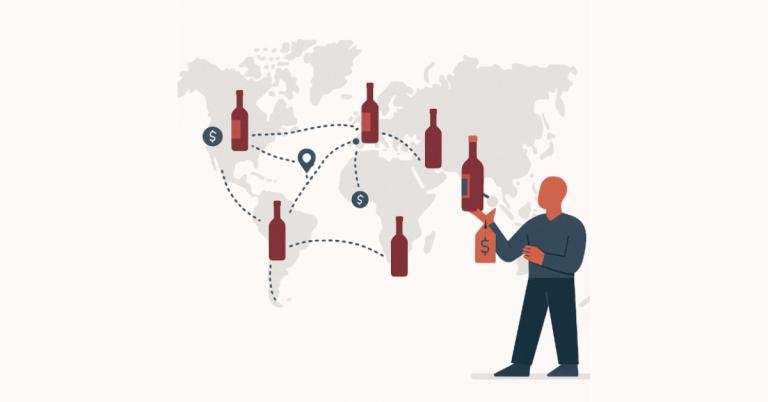
Top Investment Wine Brands Worldwide That Deliver Serious Portfolio Value
Investment-grade wines have emerged as a compelling alternative asset class, offering both portfolio diversification and the unique pleasure of potentially enjoying your investment. For retail and alternative asset investors looking...
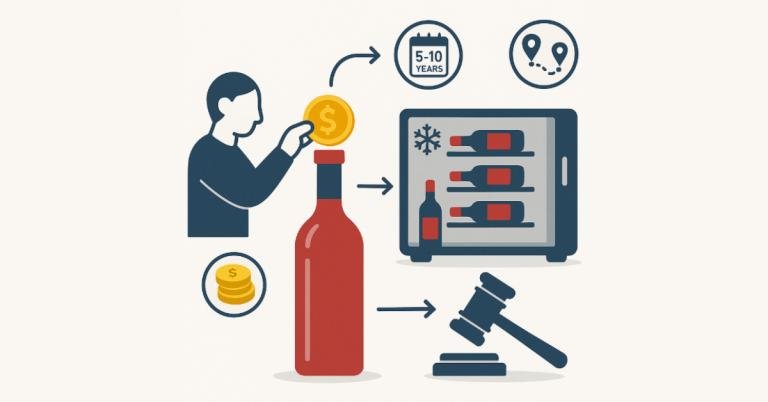
Wine Investment Strategies: Uncorking Returns in a Volatile Market
Fine wine investment offers a compelling blend of portfolio diversification, steady growth potential, and the unique pleasure of possibly enjoying your asset. With the global wine market projected to reach...
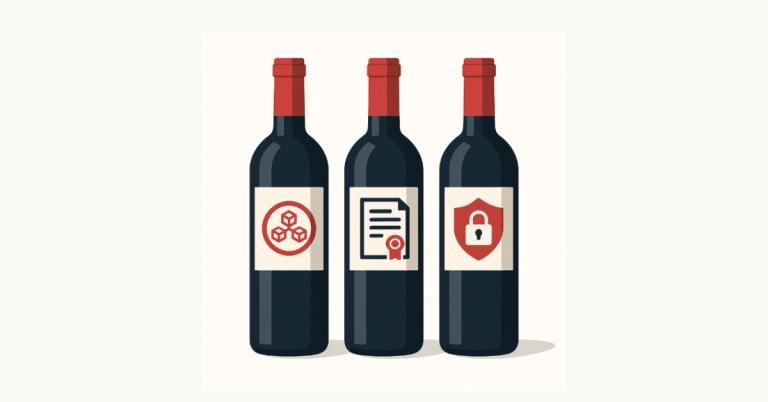
Wine Investment Risks and Strategies for Smarter Risk Management
Fine wine investment offers attractive returns averaging 10% annually since 1988, but like any investment, it comes with distinct risks that require careful management. Understanding these risks and implementing effective strategies within...