Wine Investment Guide: Practical Advice for Confident Wine Investors
Introduction to Wine Investment
Wine investment offers a unique opportunity to diversify your portfolio with a tangible asset that has demonstrated resilience during economic downturns. The global wine market is projected to reach $525 billion by 2025, with investment-grade wines representing less than 1% of global production. These rare bottles can deliver impressive returns while providing a hedge against inflation due to their finite supply and increasing global demand.
Whether you're looking to start with just €1 or build a substantial collection, this guide will walk you through the essentials of wine investment and introduce WineFortune's accessible investment options.
Benefits of Investing in Wine
Portfolio Diversification
Fine wine has a low correlation with traditional assets (0.19 with MSCI World, 0.12 with S&P 500), making it an excellent diversification tool that can reduce overall portfolio risk. This characteristic is particularly valuable during market volatility, as wine often moves independently from stocks and bonds.
Inflation Protection
As noted by Goldman Sachs in their 2025 outlook, "Fine wine provides a safeguard against devaluation in inflationary environments." This protection stems from wine's inherent scarcity and growing global demand. When currencies lose purchasing power, tangible assets with limited supply often retain or increase their value.
Impressive Returns
Historical performance shows fine wine can outpace traditional investments, especially during economic turbulence. The Liv-ex Fine Wine 1000 index has averaged 8-10% annual returns over the past decade, with certain categories like Champagne and Burgundy yielding 42.7% and 37.5% respectively in recent years.
Consider the legendary 1982 Château Lafite Rothschild, which has delivered a staggering 16,000% return on investment since release – transforming an initial investment of a few hundred dollars into tens of thousands.
Tangible Asset
Unlike stocks or bonds, wine is a physical asset you can potentially enjoy if you choose to redeem your investment for bottles rather than cash. As wine investor Anne Thompson puts it: "My portfolio gives me both financial returns and the option to literally drink my profits if I choose – try doing that with a tech stock!"
Risks and Challenges
Market Volatility
While generally less volatile than stocks, wine prices do fluctuate based on critic scores, vintage quality, and economic conditions. For example, Bordeaux prices experienced a correction in 2011-2014 after a speculative bubble in the Chinese market.
Counterfeiting
Fake wines represent a significant risk, with high-profile cases making headlines. The infamous case of Rudy Kurniawan, who sold millions in counterfeit wine before his arrest in 2012, highlights the importance of authentication and provenance verification as critical safeguards.
Storage Requirements
Improper storage can dramatically reduce a wine's value. A bottle kept in a warm apartment might lose 10-20% of its value annually due to accelerated aging and potential spoilage. Professional, climate-controlled facilities are essential for preserving investment wines.
Liquidity Concerns
Wine is less liquid than traditional assets, often requiring patience for transactions and typically demanding a 3-7 year investment horizon for optimal returns. Unlike stocks that can be sold in seconds, finding the right buyer for a specific wine can take weeks or months.
How to Start Investing in Wine
1. Research Investment-Grade Wines
Focus on regions with proven track records like Bordeaux, Burgundy, Champagne, and increasingly, Italian regions like Piedmont and Tuscany. The best wine investment choices typically come from established producers with strong reputations and limited production.
When evaluating potential investments, look for:
- Critical acclaim from respected critics (Parker, Robinson, Galloni)
- Limited production quantities
- Strong secondary market demand
- Aging potential of 10+ years
2. Determine Your Budget and Timeline
While platforms like WineFortune allow entry from just €1, building a substantial portfolio typically requires €10,000 to €25,000. Set realistic expectations with a medium to long-term horizon (5-10 years) for optimal appreciation.
Consider allocating only 5-10% of your overall investment portfolio to wine to maintain proper diversification. Remember that wine investment requires patience – the finest bottles often need years to reach their peak value.
3. Choose Your Investment Method
Consider these options:
- Direct Purchase: Buying bottles or cases through a fine wine marketplace gives you complete control but requires significant knowledge and attention to storage.
- Wine Investment Funds: Professionally managed portfolios like WineFortune's Fine Wine Investment Fund provide diversified exposure managed by experts who handle storage, authentication, and market timing.
- Wine Memberships: Programs offering access to curated selections with investment potential, like WineFortune's Wine List, provide a middle ground between direct ownership and fund investment.
4. Secure Professional Storage
Proper storage is non-negotiable. Professional facilities maintain optimal temperature (12-14°C), humidity (60-70%), and protection from light and vibration while providing insurance and provenance documentation that enhances resale value.
As wine investment expert Jane Masters MW notes: "The difference between a perfectly stored bottle and one kept in suboptimal conditions can be thousands of euros at auction. Professional storage isn't an expense – it's value preservation."
5. Monitor Your Investment
Stay informed about market trends through resources like the wine investment index and expert reports. Regular wine portfolio management is essential for maximizing returns.
Successful investors typically reassess their holdings annually, considering selling wines that have reached peak value and reinvesting in emerging opportunities.
Key Regions for Wine Investment
Bordeaux
The traditional cornerstone of wine investment, Bordeaux's market share has decreased from 96% of trades in 2010 to less than one-third today, but remains fundamental to any wine portfolio. First Growth châteaux like Lafite Rothschild, Latour, and Mouton Rothschild consistently provide stable long-term returns.
Burgundy
Limited production and soaring demand have driven extraordinary returns, with some Burgundy wines yielding over 2000% returns in 15 years. Domaine de la Romanée-Conti produces just 450 cases annually of its flagship wine, creating intense scarcity that drives value appreciation.
Champagne
Vintage Champagnes from prestigious houses like Dom Pérignon and Krug offer strong investment potential due to their limited production and global luxury appeal. Unlike still wines, premium Champagne can age for decades while maintaining its value proposition of celebration and exclusivity.
Italy
Super Tuscans and Piedmont wines (particularly Barolo and Barbaresco) show resilience and promising growth potential. Iconic producers like Giacomo Conterno, Bruno Giacosa, and Sassicaia have seen their investment appeal surge as collectors diversify beyond French wines.
Napa Valley
Iconic American wines like Screaming Eagle and Opus One have achieved cult status with limited availability, creating opportunities for significant appreciation. Screaming Eagle, with its tiny production of around 500-900 cases annually, regularly commands $3,000+ per bottle on release and substantially more at auction.
WineFortune's Investment Solutions
Fine Wine Investment Fund
The WineFortune Premium Selection LP Fund (WFPS) makes wine investment accessible to everyone, starting from just €1. Key features include:
- Target annual returns of 13% or higher
- Planned annual dividends starting by the third year
- Professional management combining technical analysis with wine expertise
- Transparent fee structure: 1.5% management fee on invested capital and 20% performance fee (with high watermark protection)
- No subscription fees or charges on uninvested capital
The fund applies sophisticated analysis to identify market inefficiencies and emerging trends, enabling both experienced collectors and complete beginners to benefit from wine's investment potential without needing specialized knowledge.
Wine List Membership
For those who want the option to enjoy their investment, WineFortune's Wine List offers:
- Access to exclusive fine wines in their perfect drinking window
- Selections from premier wine regions worldwide (France, Italy, Spain, Germany, USA, and more)
- Option to exchange your investment for physical wine
- Simple fee structure: 1.8% annual management fee and 15% success fee when exchanging vouchers for wines
This innovative approach bridges the gap between investment and enjoyment, allowing members to either capitalize on market appreciation or redeem their investment for exceptional bottles to savor.
Tips for Successful Wine Investment
Diversify Your Holdings
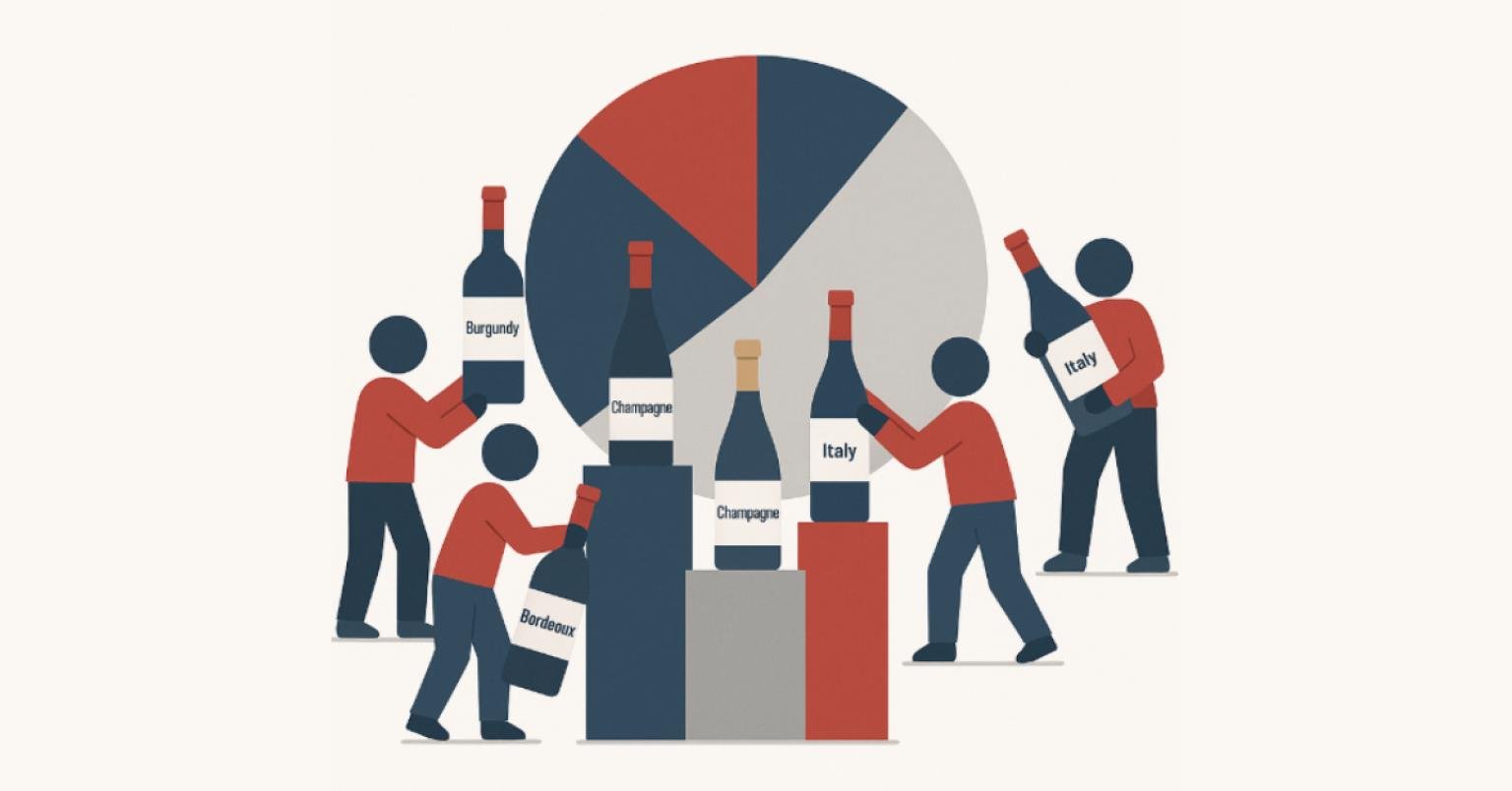
Spread investments across regions, vintages, and producers to mitigate risk and capture growth opportunities in different market segments. A balanced portfolio might include established Bordeaux (40%), growth-oriented Burgundy (25%), emerging Italian regions (20%), and tactical opportunities like vintage Champagne (15%).
Focus on Provenance
Always verify the source and storage history of wines you purchase directly. Impeccable provenance significantly impacts resale value. A wine with direct-from-château documentation and continuous professional storage can command 15-30% premium over identical bottles with unclear history.
Consider En Primeur with Caution
Buying wine futures (en primeur) can offer lower entry prices but comes with risks. Research thoroughly before committing. While the 2009 and 2010 Bordeaux en primeur campaigns delivered substantial returns, other vintages like 2017 have underperformed their release prices for years.
Stay Informed
Follow market trends, critic scores, and vintage reports through trusted sources to make informed decisions about buying and selling. The wine investment market changes constantly, rewarding investors who stay educated and responsive.
Partner with Experts
Platforms like WineFortune's fine wine broking platform provide access to expert guidance and curated selections that can help navigate this complex market. Their specialists can identify emerging opportunities before they become mainstream, potentially increasing your returns.
Common Questions About Wine Investment
Is wine investment legitimate?
Yes, wine investment is a recognized alternative asset class, though limited to high-quality investment-grade wines with proven track records. Major financial institutions including Barclays, UBS, and Goldman Sachs acknowledge fine wine as a legitimate alternative investment.
How safe is wine investment?
While all investments carry risk, wine has historically shown lower volatility than many traditional assets. Mitigate risks through authentication, trusted vendors, and professional storage. The physical nature of wine provides inherent protection against complete loss of value that can occur with some financial instruments.
How much money do I need to start investing in wine?
With WineFortune's Fine Wine Investment Fund, you can start with as little as €1, making wine investment accessible to virtually everyone. This democratization of wine investment removes the traditional barriers to entry that once restricted this asset class to wealthy collectors.
Is wine collecting a good investment?
Only investment-grade wines (typically less than 1% of global production) yield meaningful returns. Casual collecting for personal enjoyment follows different criteria than investment. The key difference is focusing on wines with proven secondary market demand rather than personal preferences alone.
Conclusion
Wine investment offers a compelling blend of potential financial returns and the pleasure of engaging with a fascinating asset class. By understanding the benefits, risks, and key strategies outlined in this guide, you can approach wine investment with confidence.
Whether you choose WineFortune's Fine Wine Investment Fund for hands-off exposure or the Wine List Membership for a more interactive experience, wine investment can add both diversification and enjoyment to your overall investment strategy.
Remember that patience is key—fine wine, like good investing, improves with time. Start your wine investment journey today with WineFortune and discover how this alternative asset can enhance your portfolio while potentially delivering impressive returns.
Read next
Top Investment Wine Brands Worldwide That Deliver Serious Portfolio Value
Investment-grade wines have emerged as a compelling alternative asset class, offering both portfolio diversification and the unique pleasure of potentially enjoying your investment. For retail and alternative asset investors looking...
Wine Investment Strategies: Uncorking Returns in a Volatile Market
Fine wine investment offers a compelling blend of portfolio diversification, steady growth potential, and the unique pleasure of possibly enjoying your asset. With the global wine market projected to reach...
Wine Investment Risks and Strategies for Smarter Risk Management
Fine wine investment offers attractive returns averaging 10% annually since 1988, but like any investment, it comes with distinct risks that require careful management. Understanding these risks and implementing effective strategies within...