Wine Futures Investment: A Straightforward Approach to En Primeur Market Gains
What Are Wine Futures?
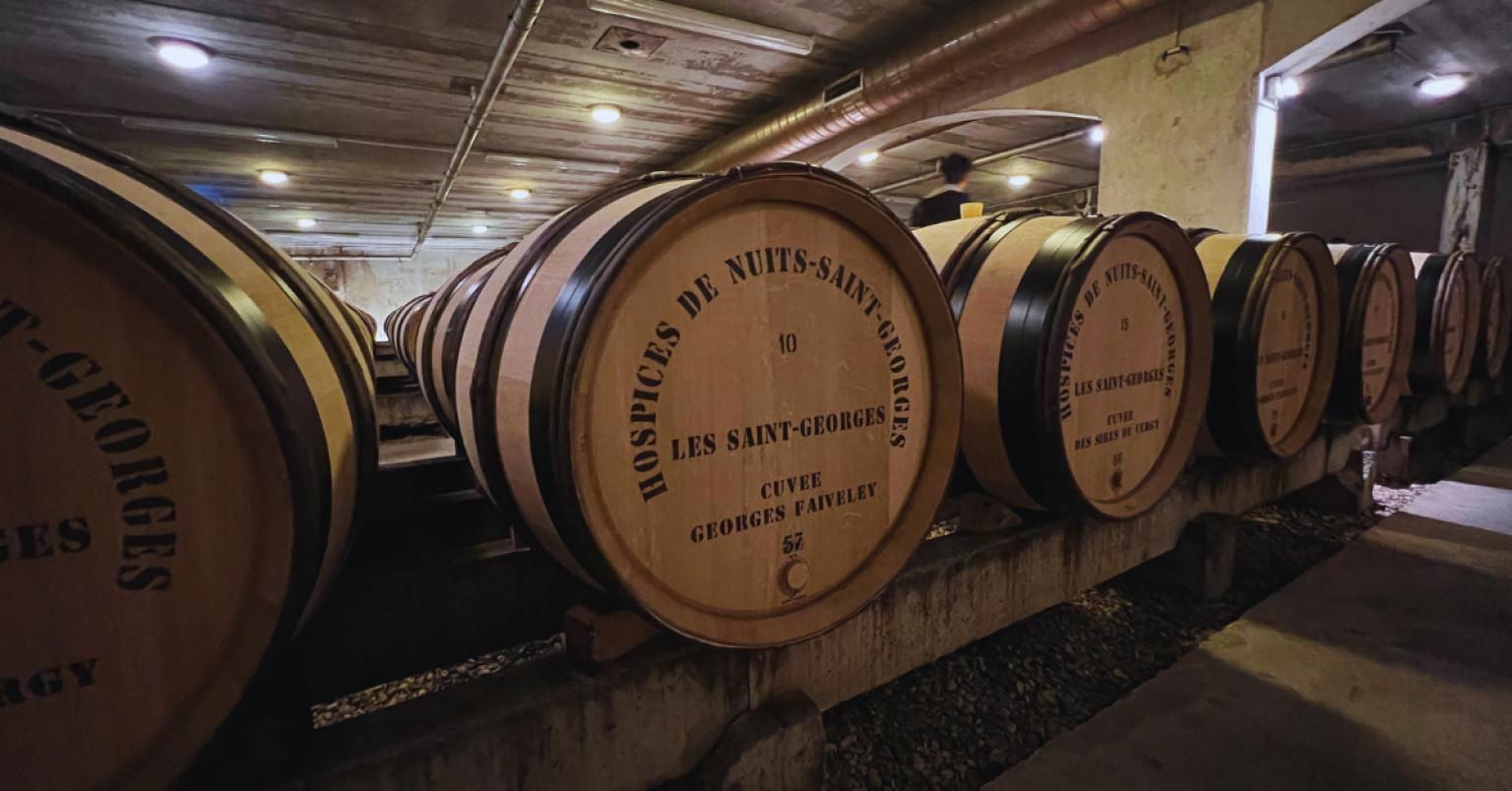
Wine futures, also known as "en primeur," allow investors to purchase wine while it's still aging in barrels, typically 18-36 months before bottling and release. This practice originated in post-WWII Bordeaux to help wineries improve cash flow and has since expanded to regions like Burgundy and the Rhône Valley.
When you buy wine futures, you're essentially pre-ordering wine at what is often a lower price than its eventual market release value. For winemakers, this system provides crucial early capital and transfers some quality uncertainty risk to investors. Academic research shows this approach has increased profits for Bordeaux producers by approximately 10%, making it a win-win scenario when executed properly.
Think of wine futures like investing in a promising startup before its IPO—you're getting in early with the expectation of growth, but with the unique advantage that your investment is backed by a tangible, finite product rather than just an idea.
How the Wine Futures Market Works
The en primeur process follows a structured timeline:
- Barrel Tasting (April): Wine critics and merchants taste barrel samples and provide preliminary scores that significantly influence pricing. These early tastings create the first buzz around potentially exceptional wines and vintages.
- Sales Campaign (May-July): Châteaux release their prices, and merchants offer allocations to clients. This campaign typically lasts about two months. It's a fascinating period where market dynamics unfold in real-time as buyers respond to pricing strategies.
- Payment: Investors pay upfront for wines they won't receive for 18 months to 3 years. This upfront capital is crucial for producers, allowing them to finance the remaining aging process and future vintages.
- Delivery: Once bottled, wines are delivered to the investor or their designated storage facility. This moment of truth reveals whether the wine has developed as expected during its aging period.
According to economic research, this system has increased profits for Bordeaux winemakers by approximately 10%, and establishing similar markets in other regions could boost small winemaker profitability by 14-15%. The model's success has led to its adoption beyond traditional regions, creating new opportunities for investors globally.
Benefits of Investing in Wine Futures
1. Early Access to Sought-After Wines
Securing allocations of highly coveted wines before they hit the open market can be invaluable, especially for limited-production wines that may sell out quickly. This is particularly true for cult wines or exceptional vintages where demand far outstrips supply. For example, prestigious Burgundy producers often sell their entire production through the futures market, making en primeur the only reliable way to secure these bottles.
2. Potentially Lower Prices
En primeur prices are typically lower than the eventual retail price, with Bordeaux selections averaging a 58.3% return since 2014. This price advantage is one of the primary motivations for investors. Consider the 2009 Château Lafite Rothschild, which was offered at €550 per bottle en primeur and later traded at over €1,000 after release—a classic example of the potential upside.
3. Provenance Assurance
By purchasing directly from the source through authorized merchants, you establish perfect provenance—a critical factor in wine's long-term value. In the fine wine market, where counterfeits and improper storage can devastate value, this unbroken chain of custody from producer to investor is tremendously valuable. This provenance premium becomes increasingly important as wines age and appreciate in value.
4. Format Options
En primeur often offers the opportunity to select special bottle formats like magnums or double magnums that may not be widely available after release. These larger formats not only age more gracefully due to the lower oxygen-to-wine ratio but also typically command premium prices in the secondary market.
Risks and Considerations
1. Market Volatility
Wine futures prices can be influenced by critic scores, economic conditions, and changing consumer preferences. There's no guarantee that the wine will appreciate in value. For instance, the 2017 Bordeaux vintage was initially offered at prices many considered too high, resulting in limited appreciation or even depreciation for some châteaux.
2. Quality Uncertainty
You're buying wine based on barrel samples, not the finished product. The final bottled wine may differ from early tastings. Sometimes this works in your favor—the wine exceeds expectations—but sometimes the finished wine disappoints compared to its promising barrel showing. This uncertainty is an inherent part of the en primeur system.
3. Long-Term Outlook
Wine futures require patience—you won't receive the physical wine for 18-36 months after purchase. This investment horizon demands both financial liquidity (capital you can afford to have tied up) and emotional patience to wait for your investment to mature.
4. Storage Costs
Once delivered, proper storage becomes essential and adds to your investment costs. Wine investment costs typically include storage fees ranging from €10-20 per case annually in bonded warehouses. While these costs may seem modest, they compound over time and must be factored into your overall investment calculations.
5. Rare Non-Delivery Scenarios
While extremely uncommon, there have been cases where producers faced financial difficulties and couldn't fulfill futures contracts. The wine world still remembers the cautionary tale of Premier Cru, a California retailer that collapsed in 2016 after selling millions in wine futures that were never delivered.
Current Market Trends
The en primeur market has evolved significantly in recent years:
- Reduced Allocations: Producers are increasingly withholding stock to sell later at higher prices, resulting in smaller en primeur offerings. This strategy allows châteaux to capture more of the potential appreciation themselves rather than passing it to early investors.
- Price Volatility: Recent campaigns have seen significant price fluctuations, such as Château Cheval Blanc 2022 being priced 21.5% above its 2021 release. This volatility reflects both changing market dynamics and producers' increasing sophistication in pricing strategies.
- Regional Expansion: The en primeur investment model has expanded beyond Bordeaux to other prestigious wine regions globally. Burgundy, Italy's Piedmont, and even new world regions are adapting this model to their markets, creating diversified opportunities for investors.
- Digital Transformation: Online platforms and virtual tastings have modernized the traditionally in-person en primeur process. This digital evolution was accelerated by the pandemic and has democratized access to the futures market, allowing more global participation.
Is Wine Futures Investment Right for You?
Wine futures may be suitable if you:
- Have a long-term investment horizon (5+ years)
- Understand and can tolerate the risks involved
- Have knowledge of fine wine or access to expert advice
- Can afford to have capital tied up for several years
- Have proper storage arrangements for when wines are delivered
For those new to wine investment, starting with a wine investment fund might be a more accessible entry point, as these professionally managed funds handle selection, storage, and eventual sale. These funds pool resources from multiple investors to access the best opportunities while spreading risk across a diversified portfolio.
Investment Strategy for Wine Futures
Focus on Quality and Scarcity
Wines from exceptional vintages and producers with limited production tend to appreciate most significantly. Research critic scores and vintage reports carefully. The intersection of outstanding quality and genuine scarcity creates the perfect conditions for long-term appreciation. Iconic producers with small production, like Burgundy's Domaine Romanée-Conti or Bordeaux's Petrus, exemplify this principle.
Diversify Across Regions and Vintages
Spreading investments across different wine regions and vintages helps mitigate risk. While Bordeaux dominates the futures market, consider other regions with growing en primeur programs. This diversification not only reduces risk but also allows you to capitalize on different market cycles and regional trends in consumption and collector interest.
Monitor Market Trends
Stay informed about wine investment market developments, including emerging markets and consumption shifts that might affect future demand. For example, the growing interest in fine wine among Asian collectors has significantly impacted pricing for certain producers and vintages over the past decade.
Consider Historical Performance
Examine how previous vintages from the same producer have performed. Past performance isn't a guarantee of future results, but it can provide valuable context. Some producers consistently outperform the market, while others may be overvalued based on current reputation rather than investment performance.
Use Reliable Platforms
Purchase through established merchants or platforms like WineFortune's fine wine marketplace to ensure authenticity and proper handling. The importance of working with reputable partners cannot be overstated in the wine futures market, where trust and expertise are essential to navigating the complexities of allocation, pricing, and eventual delivery.
Accessing the Wine Futures Market
For those interested in wine futures investment, several options exist:
Direct Purchase
Buy directly from authorized merchants who have allocations from producers. This requires significant knowledge and typically higher minimum investments. The advantage is direct control over selection and potentially better pricing, but it requires substantial expertise and industry connections.
Wine Investment Funds
Funds like the WineFortune Premium Selection LP Fund allow investors to access wine futures markets with investments starting from just €1, targeting annual returns of 13% or higher with professional management. This democratized approach makes wine investment accessible to a much broader audience who might otherwise be excluded from this asset class.
Managed Portfolios
Some services offer personalized wine portfolio management, selecting and managing wine futures investments based on your preferences and risk tolerance. This approach combines the expertise of professional management with the personalization of direct ownership.
Conclusion
Wine futures represent a unique investment opportunity that combines financial potential with the romance of fine wine. While the potential rewards are attractive, investors should approach this market with careful research, patience, and ideally expert guidance.
For those intrigued by wine investment but hesitant about the complexities of en primeur, WineFortune's Fine Wine Investment Fund offers an accessible entry point with professional management and a focus on the best wines for investment.
Whether you're a seasoned wine collector or a curious investor seeking portfolio diversification, understanding the mechanics, benefits, and risks of wine futures is essential before diving into this fascinating market. With the right approach, wine futures can offer both financial returns and the pleasure of eventually enjoying exceptional wines at their peak—a truly liquid asset in every sense.
Read next
Top Investment Wine Brands Worldwide That Deliver Serious Portfolio Value
Investment-grade wines have emerged as a compelling alternative asset class, offering both portfolio diversification and the unique pleasure of potentially enjoying your investment. For retail and alternative asset investors looking...
Wine Investment Strategies: Uncorking Returns in a Volatile Market
Fine wine investment offers a compelling blend of portfolio diversification, steady growth potential, and the unique pleasure of possibly enjoying your asset. With the global wine market projected to reach...
Wine Investment Risks and Strategies for Smarter Risk Management
Fine wine investment offers attractive returns averaging 10% annually since 1988, but like any investment, it comes with distinct risks that require careful management. Understanding these risks and implementing effective strategies within...