Why Have Prices Dropped on the Fine Wine Market?
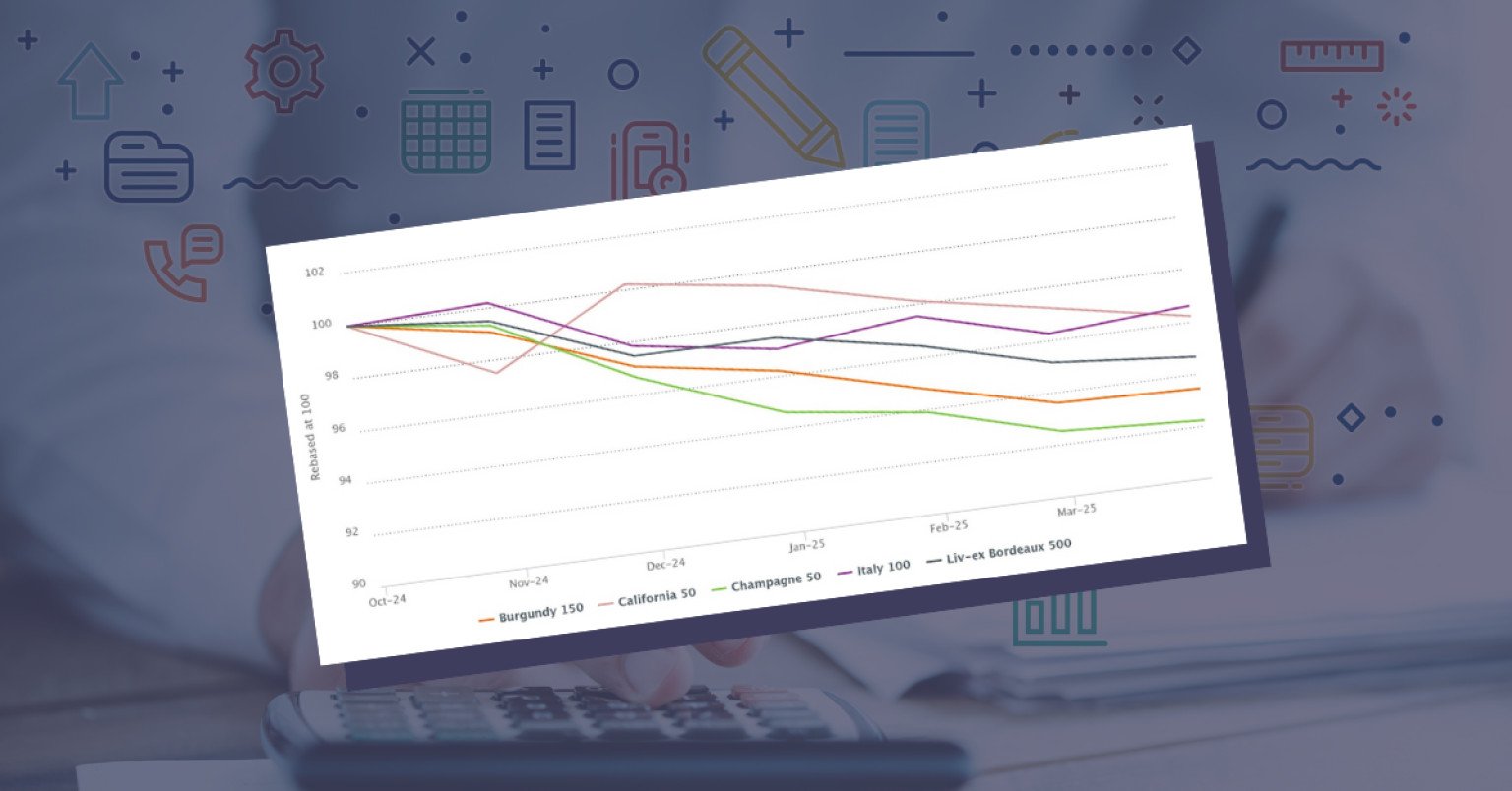
After a decade of steady gains and rapid rise in the covid times mostly thanks to Champagne and Burgundy 2020 - 2022, the fine wine market entered a downturn in the end of 2022. Prices on the secondary market have drifted lower for about three years, giving up a portion of the earlier rapid gains.

From 2022 to 2025 fine wine broadest index, Liv-ex 1000, has fallen about -27%. Our WineFortune investment fund (WFPS) entered the market October 2022 and has seen a decline of -9% at the same time. Most of our wines have been bought from spring 2023 to 2024, so it means we entered the market after at least -15% decline had already happened. Even though we don't see growth yet, we are definitely in a better position for the future. Last 2 months we haven’t seen a decline anymore.

Why Did the Fine Wine Market Decline?
Macroeconomic Headwinds
With stock markets and interest-bearing assets offering improved returns, some capital rotated away from collectible wine. Tighter financial conditions left less “easy money” chasing wine.
Post-Boom Correction
The fine wine market simply needed to cool off after the extraordinary boom of 2020–2022. During the pandemic-era surge, prices of many wines (especially Burgundy and Champagne) were bid to record highs. The downturn has brought prices more in line with historical norms.
Collector Sentiment
Sentiment shifted as buyers became risk-averse. Rather than speculating on up-and-coming producers, investors retreated to familiar big names or sat on the sidelines. When buyers did engage, they often bid cautiously below market, forcing sellers to accept lower prices to transact.
Overpricing
In Bordeaux especially, recent vintages were released often higher than consumers were willing to pay on release. When the secondary market trading below release price becomes widespread (as seen for many 2018–2020 Bordeaux and even some Champagne like Cristal), it erodes investor confidence.
Regional Demand Shifts
Finally, shifts in global demand impacted certain regions. The prolonged China slowdown (due to that country’s economic issues and tariffs on US wines) hurt Bordeaux and Napa demand. Meanwhile, the US dollar’s strength (in 2022–23) made European wines pricier for American buyers, contributing to slower sales in the US market. Demographic trends (younger drinkers exploring low-level alcohol) also played a part in flat overall wine consumption.
Bottom Line
By late 2024, the fine wine investment market had undergone a significant correction. Virtually all regions – from Bordeaux grands crus to Burgundy domaines and Champagne maisons – saw prices step back from recent highs. The market’s breadth contracted as buyers became choosier, and a wave of macro and sector-specific challenges put collectors in a defensive mood.
Long-term investors, however, note that even after the dip, key fine wine indices (Liv-ex 100, etc.) remain up over the past 5–10 years, underscoring the asset’s resilience. We turn in the next blog article to the experts outlook for 2025.
Read next
Top Investment Wine Brands Worldwide That Deliver Serious Portfolio Value
Investment-grade wines have emerged as a compelling alternative asset class, offering both portfolio diversification and the unique pleasure of potentially enjoying your investment. For retail and alternative asset investors looking...
Wine Investment Strategies: Uncorking Returns in a Volatile Market
Fine wine investment offers a compelling blend of portfolio diversification, steady growth potential, and the unique pleasure of possibly enjoying your asset. With the global wine market projected to reach...

Wine Investment Risks and Strategies for Smarter Risk Management
Fine wine investment offers attractive returns averaging 10% annually since 1988, but like any investment, it comes with distinct risks that require careful management. Understanding these risks and implementing effective strategies within...