French Wine Regions: A Guide for Investors and Enthusiasts
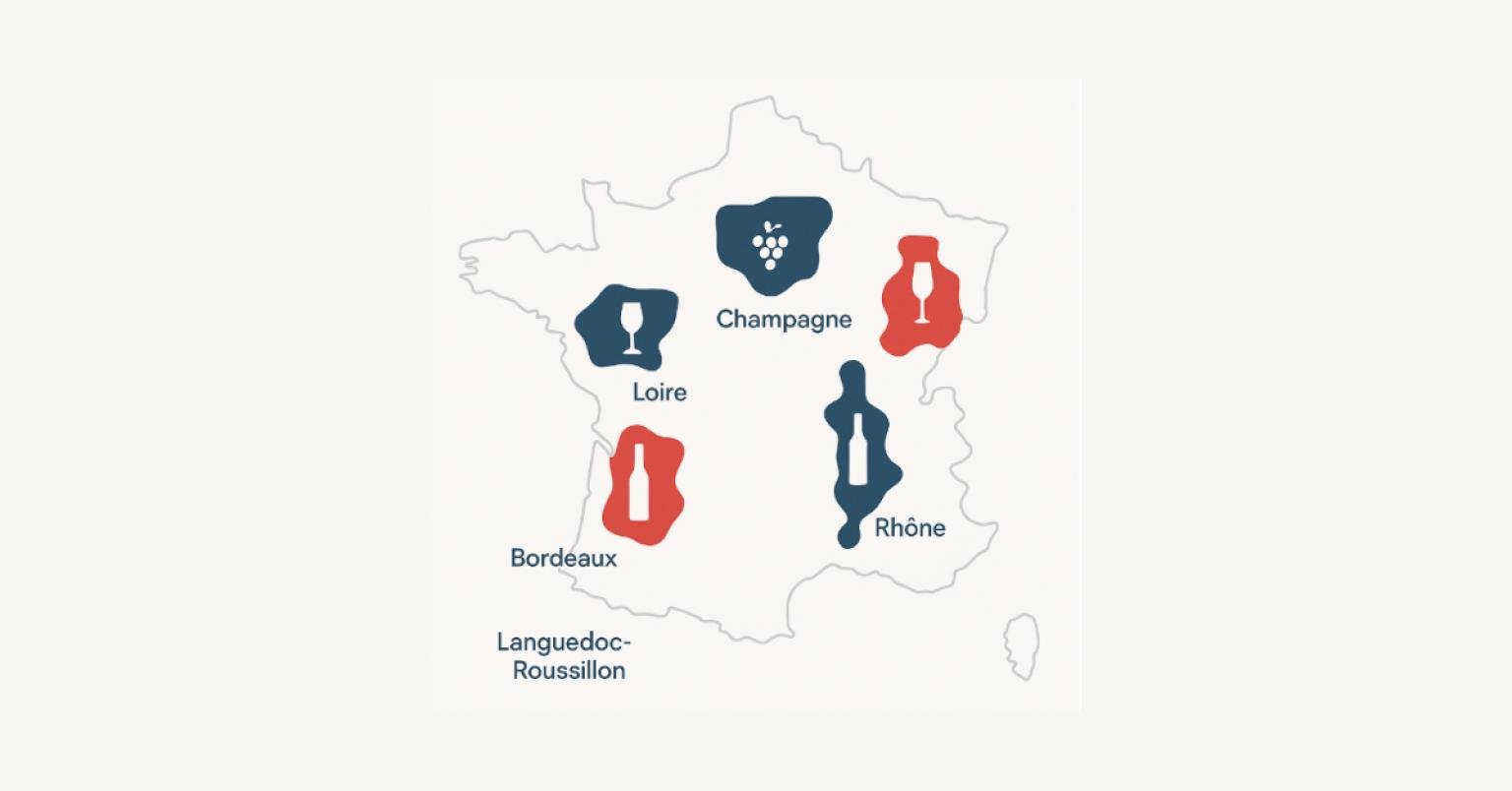
France stands as the heartland of fine wine, with its diverse regions producing some of the world's most sought-after and investment-worthy bottles. Whether you're building a wine portfolio or simply expanding your knowledge, understanding French wine regions is essential for navigating this prestigious market.
Main French Wine Regions
France's wine map can be divided into several key regions, with the exact count varying between 7-17 depending on how they're grouped:
Major Regions
- Bordeaux: Atlantic maritime climate with gravel soils, known for Cabernet Sauvignon/Merlot blends and classified growths that form the backbone of wine investment portfolios. The region's left bank (Médoc, Graves) typically produces more structured, age-worthy wines, while the right bank (Saint-Émilion, Pomerol) offers more approachable, Merlot-dominated wines that still command impressive investment potential.
- Burgundy: Continental climate with limestone soils, producing some of the most expensive wine in the world from Pinot Noir and Chardonnay grapes, including the legendary Domaine de la Romanée-Conti. The region exemplifies the concept of terroir – where minute differences in soil and exposition create dramatically different flavor profiles even between adjacent vineyards.
- Champagne: Cool climate with chalky soils, exclusively producing the world's most famous sparkling wines using the traditional method. The chalky subsoil provides excellent drainage while retaining sufficient moisture during dry periods, contributing to the unique mineral character found in these prestigious bubbles.
- Rhône Valley: Divided between Northern (Syrah-dominated) and Southern (Grenache-led blends) sections with Mediterranean influence. The Northern Rhône produces some of the world's most revered Syrah-based wines on steep, granite slopes, while the Southern Rhône creates generous, spice-laden blends that represent excellent value for collectors.
- Loire Valley: France's longest wine region with diverse terroirs producing everything from crisp Sauvignon Blancs to age-worthy Chenin Blancs. The river's cooling influence creates ideal conditions for aromatic whites and fresh, vibrant reds that increasingly attract investment attention.
- Alsace: Germanic influence with aromatic white varieties like Riesling, Gewürztraminer, and Pinot Gris. The region's unique position in France's northeast, nestled against the Vosges Mountains, creates a rain shadow effect that produces one of the driest climates in France – perfect for intensely aromatic white wines.
- Languedoc-Roussillon: Mediterranean climate producing value-driven wines across all styles. Once considered merely a bulk wine producer, this vast region has transformed dramatically in recent decades, with ambitious winemakers creating quality-focused wines that represent serious value for investors seeking emerging opportunities.
Additional Regions
- Beaujolais: Technically part of Burgundy but distinct for its Gamay-based wines, ranging from easy-drinking Nouveau to age-worthy Cru Beaujolais from villages like Morgon and Moulin-à-Vent.
- Provence: Rosé specialists with Mediterranean climate, producing the world's benchmark dry pink wines with delicate strawberry and herb notes.
- Jura: Small but distinctive region known for oxidative wine styles like Vin Jaune, which ages under a yeast film similar to fino sherry, creating nutty, saline characteristics.
- Corsica: Island terroir with unique indigenous varieties like Nielluccio and Sciaccarellu, combining French winemaking with Italian-influenced grapes.
- Savoy: Alpine influence with fresh, mineral-driven wines from indigenous varieties like Jacquère and Mondeuse, perfect for pairing with the region's famous cheese and charcuterie.
- South West France: Diverse area with distinctive local varieties like Tannat in Madiran (producing some of France's most powerfully tannic reds) and Petit Manseng in Jurançon (creating honeyed yet vibrant sweet wines).
Types of French Wines
Red Wines
- Bordeaux: Structured Cabernet Sauvignon/Merlot blends with aging potential of decades. The classic profile offers cassis, cedar, tobacco, and graphite notes that develop extraordinary complexity with age.
- Burgundy: Elegant, terroir-expressive Pinot Noir that can evolve into ethereal expressions of red fruits, forest floor, and spice, with premier and grand cru bottlings commanding astronomical prices.
- Rhône: Northern Syrah (peppery, structured with blackberry, olive, and smoke) and Southern Grenache blends (ripe, herbal with garrigue herb notes and warming spice).
- Loire: Light to medium-bodied Cabernet Franc with vibrant acidity, offering bell pepper, raspberry, and pencil shavings character, especially from areas like Chinon and Bourgueil.
White Wines
- Burgundy: Rich, complex Chardonnay from regions like Chablis (steely, mineral), Meursault (buttery, hazelnut), and Montrachet (profound, honeyed complexity with decades of aging potential).
- Loire: Crisp Sauvignon Blanc (Sancerre, Pouilly-Fumé) with gooseberry and flint notes, and versatile Chenin Blanc ranging from bone-dry Savennières to lusciously sweet Quarts de Chaume.
- Alsace: Aromatic, often off-dry Riesling, Gewürztraminer, and Pinot Gris with intense fruit and spice profiles, often bottled as single varietals rather than blends.
- Rhône: Full-bodied Viognier, Marsanne, and Roussanne with apricot, honeysuckle, and almond notes, particularly from appellations like Condrieu and Hermitage Blanc.
Sparkling Wines
- Champagne: The gold standard of sparkling wine, made via traditional method with secondary fermentation in the bottle. The region's chalky soils and cool climate create unparalleled freshness and complexity in both vintage and non-vintage expressions.
- Crémant: Traditional method sparklers from regions like Loire, Burgundy, and Alsace, offering excellent value and distinctive regional character at a fraction of Champagne prices.
Rosé Wines
- Provence: Pale, dry, and elegant; the global benchmark for rosé with delicate red fruit, citrus, and herbal notes. The region's focus on dedicated rosé production (rather than treating it as a by-product) results in sophisticated wines worthy of serious attention.
- Loire: Cabernet Franc-based rosés with more structure and often darker color, particularly from Anjou where they can range from dry to semi-sweet styles.
Dessert Wines
- Sauternes (Bordeaux): Noble rot-affected sweet wines with remarkable aging potential, offering honeyed apricot, marmalade, and botrytis spice. Château d'Yquem stands as the region's pinnacle, with bottles from great vintages capable of evolving for over a century.
- Côteaux du Layon (Loire): Sweet Chenin Blanc with honey and apricot notes balanced by the grape's natural high acidity, creating dessert wines that avoid cloying sweetness in favor of vibrant tension.
Key French Grape Varieties
Red Grapes
- Cabernet Sauvignon: Bordeaux's backbone, providing structure and aging potential with its firm tannins, blackcurrant fruit, and distinctive cedar-pencil shavings character.
- Merlot: Bordeaux's plush, earlier-ripening variety offering velvety texture and plum-chocolate notes, particularly successful on the clay soils of the right bank.
- Pinot Noir: Burgundy's noble grape, prized for elegance and terroir expression with its delicate red fruit profile and silky tannins that can evolve into profound complexity.
- Syrah/Shiraz: Northern Rhône's signature, offering pepper, black fruit, and savory notes with a distinctive black olive character in appellations like Côte-Rôtie and Hermitage.
- Grenache: Southern Rhône's juicy, high-alcohol variety providing the fruity core to blends in Châteauneuf-du-Pape and Gigondas, with notes of strawberry, herb, and warming spice.
- Cabernet Franc: Loire specialty and Bordeaux blending component with distinctive red fruit, bell pepper, and violet aromas, capable of both freshness and surprising longevity.
- Gamay: Beaujolais' fruity, approachable signature with bright cherry notes and low tannins, though cru expressions can develop surprising complexity with age.
White Grapes
- Chardonnay: Burgundy's chameleon, ranging from steely Chablis to rich Montrachet, reflecting terroir perhaps more transparently than any other white grape.
- Sauvignon Blanc: Loire's crisp, aromatic specialty with gooseberry, grass, and gunflint notes, reaching its apogee in Sancerre and Pouilly-Fumé.
- Chenin Blanc: Loire's versatile grape, producing everything from sparkling to sweet wines with quince, apple, and honey notes, underpinned by mouthwatering acidity.
- Riesling: Alsace's noble variety with remarkable aging potential, offering a dry, mineral-driven expression distinct from its German counterparts.
- Viognier: Rhône's aromatic, full-bodied white with apricot, honeysuckle, and spice notes, nearly extinct by the 1960s before experiencing a renaissance.
- Sémillon: Key component in Sauternes and dry white Bordeaux, contributing waxy texture, lemon curd notes, and susceptibility to noble rot that creates magic in sweet wines.
French Wine Classification Systems
Understanding French wine classifications is crucial for wine quality assessment and investment decisions:
AOC/AOP (Appellation d'Origine Contrôlée/Protégée)
The highest quality designation, ensuring wines meet strict regional standards for:
- Geographical boundaries
- Permitted grape varieties
- Vineyard and winemaking practices
- Yield restrictions
- Minimum alcohol levels
This system guarantees authenticity and adherence to traditional methods, though doesn't automatically ensure the subjective quality of any single bottle.
IGP (Indication Géographique Protégée)
Formerly Vin de Pays, these are regional wines with broader rules allowing more flexibility in grape varieties and winemaking techniques. This category often contains innovative wines and excellent values that fall outside traditional AOC constraints.
Vin de France
The most basic designation with minimal restrictions, allowing vintage and grape variety labeling. While historically associated with bulk production, this category now includes experimental wines from quality-focused producers who choose flexibility over AOC restrictions.
Regional Classification Systems
- Bordeaux 1855 Classification: Ranks 61 châteaux in the Médoc (plus Château Haut-Brion from Graves) into five growth categories (First Growth to Fifth Growth), with Sauternes and Barsac sweet wines classified separately. This ranking, created for the 1855 Paris Exposition, has remained largely unchanged for over 165 years despite enormous changes in ownership and quality.
- Burgundy: Hierarchical system from regional to single-vineyard designations:
- Grand Cru (top tier, ~2% of production) - single vineyards representing the pinnacle of Burgundian terroir
- Premier Cru (excellent single vineyards) - outstanding sites that offer relative value compared to Grand Crus
- Village wines (named after communes) - representing the character of specific villages like Gevrey-Chambertin or Meursault
- Regional wines (Bourgogne) - entry-level wines from across the region
- Champagne: Ranks villages on a percentage scale (Échelle des Crus) with Grand Cru (100%) and Premier Cru (90-99%) designations. This system originally determined grape pricing but now indicates vineyard quality potential.
Investment Considerations
For wine investors, certain regions offer particularly strong potential:
- Bordeaux: The traditional investment cornerstone with its established classification system and en primeur market, where wines can be purchased as futures before bottling. The region's long track record of aging and price appreciation provides stability, while the regular release of new vintages creates ongoing opportunities.
- Burgundy: Limited production and increasing global demand have driven exceptional price appreciation, particularly for Grand Cru wines. The minute production quantities (often just a few barrels) from legendary producers like Domaine de la Romanée-Conti or Armand Rousseau create immense scarcity value that continues to drive the market upward.
- Champagne: Prestige cuvées from top houses offer stability and consistent returns. Wines like Dom Pérignon, Krug, and Salon combine luxury branding with genuine quality and aging potential, creating reliable investment vehicles.
- Northern Rhône: Côte-Rôtie and Hermitage have seen growing investor interest, with producers like Guigal and Chave achieving cult status. These powerful yet elegant Syrah-based wines have demonstrated excellent aging trajectories and increasing global recognition.
- Sauternes: Sweet wines with decades of aging potential, though typically slower to appreciate. The labor-intensive production and diminishing consumer base for sweet wines has created challenges, but the very best examples (particularly Château d'Yquem) remain solid long-term investments.
When evaluating French wines for investment, consider:
- Classification level
- Producer reputation
- Vintage quality
- Critic scores
- Production volume
- Aging potential
- Storage history
What Makes French Wine Special?
French wines exemplify what is considered fine wine through several key attributes:
- Terroir Focus: The French concept that specific vineyard sites impart unique characteristics to wines. This philosophy values expressing place over technical perfection, allowing wines to reflect their origins rather than winemaker intervention.
- Age-Worthiness: Many top French wines improve for decades, developing complexity and nuance. The transformation from primary fruit to secondary and tertiary aromas represents one of wine's most magical qualities, particularly evident in properly aged Bordeaux and Burgundy.
- Food Affinity: Designed to complement cuisine with balanced acidity and structure. French wines typically prioritize savory elements and restrained fruit, creating gastronomic versatility rather than standalone impact.
- Tradition & Innovation: Centuries of winemaking knowledge combined with careful modernization. The best producers respect historical methods while embracing cleanliness and precision that modern technology allows.
- Diversity: From crisp Chablis to powerful Châteauneuf-du-Pape, France offers unmatched stylistic range. No other country delivers such breadth across sweet, dry, sparkling, white, red, and rosé styles at world-class quality levels.
Exploring French Wine
For enthusiasts looking to deepen their French wine knowledge, consider:
- Regional Exploration: Focus on one region at a time to understand its unique characteristics. Try comparing different communes within Bordeaux or villages in Burgundy to develop a nuanced understanding of terroir differences.
- Vertical Tastings: Sample different vintages of the same wine to appreciate aging effects. This approach reveals how climate variations between years impact the same vineyard and how wines evolve over time.
- Classification Comparisons: Taste across classification levels to understand quality distinctions. For example, compare Bordeaux from different growth classifications or Burgundy village, premier cru, and grand cru from the same producer.
- Producer Studies: Compare different producers from the same appellation to understand stylistic differences. This reveals how winemaker decisions like oak treatment, fermentation techniques, and picking dates create distinctive house styles.
- Fine Wine Subscription: Access curated selections of investment-grade French wines in their optimal drinking windows. This approach provides educational opportunities while enjoying wines at their peak without the hassle of long-term storage.
France's wine regions offer unparalleled diversity, prestige, and investment potential. Whether you're building a collection focused on Bordeaux's classified growths, Burgundy's rare Grand Crus, or exploring the emerging values of the Loire and Rhône, understanding these regions provides the foundation for successful wine investment and appreciation.
Read next
Spanish Wine Regions: A Guide to Spain's Wine Country Gems
Spain stands as the world's largest wine-growing country with an impressive 968,000 hectares of vineyards spread across diverse landscapes. From the verdant hills of the north to the sun-drenched plains of...

Champagne Most Expensive Brands Revealed with Price Tags That Sparkle
Looking to explore the pinnacle of luxury in the sparkling wine world? The most exclusive champagne bottles represent not just exceptional taste but also remarkable craftsmanship, history, and rarity that...

Wine Movie Picks for Every Wine and Cinema Lover
For those who appreciate the artistry of wine alongside the magic of cinema, there's nothing better than a film that celebrates viticulture. Whether you're sipping a glass of your favorite...