Champagne Most Expensive Brands Revealed with Price Tags That Sparkle

Looking to explore the pinnacle of luxury in the sparkling wine world? The most exclusive champagne bottles represent not just exceptional taste but also remarkable craftsmanship, history, and rarity that justify their eye-watering price tags. Whether you're a collector, investor, or simply curious about how the other half celebrates, this comprehensive guide reveals the most prestigious and expensive champagne brands that define luxury in a bottle.
The World's Most Expensive Champagne Bottles in 2024
1. 1966 Salon Cuvée 'S' Le Mesnil Blanc de Blancs Brut ($9,559)
Salon leads our list with this extraordinary vintage bottle. What makes it special:
- Single-vineyard Chardonnay from Le Mesnil-sur-Oger
- Produced only in exceptional years (approximately 37 vintages released since 1905)
- Complex flavor profile featuring hazelnut and brioche notes
- Extremely limited production makes it highly collectible
Salon's approach to champagne is uncompromising, producing wines with remarkable aging potential that can develop complexity for decades—a key factor in what is considered fine wine. Their dedication to excellence has made them the producer of what many consider the ultimate collector's champagne.
2. 1959 Dom Pérignon Oenothèque Brut Millésime ($8,315)
This legendary vintage represents Dom Pérignon at its finest:
- Aged for decades before release through the Oenothèque program
- Features extraordinary complexity with honey, fig, and truffle notes
- Represents one of the most celebrated post-war vintages
- Demonstrates exceptional wine quality through its balance and longevity
Dom Pérignon's prestige stems from its pioneering position as the first luxury cuvée, setting the standard for prestige champagnes worldwide. The Oenothèque program (now called P2 and P3) represents the pinnacle of the house's aging potential, with bottles that continue to develop for decades after their initial release.
3. Moët & Chandon Esprit du Siècle Brut ($6,502)
This extraordinary blend represents a century of champagne-making:
- Combines vintages from every decade of the 20th century (1900s through 1990s)
- Limited to just 323 bottles ever produced
- Features complex coffee and citrus aromas with layers of history in each sip
- Represents a unique historical collection in one bottle
Imagine tasting the entire 20th century in a single glass—this is what makes the Esprit du Siècle so remarkable. Each bottle contains a small portion of champagne from every decade, creating a liquid time capsule of champagne evolution.
4. 2002 Louis Roederer Cristal 'Gold Medalion' Orfèvres Limited Edition ($4,033)
Cristal, originally created for Russian Tsar Alexander II in 1876, reaches new heights with this special edition:
- Comes in a hand-crafted 24-karat gold-wrapped bottle by master goldsmiths
- Made exclusively from the exceptional 2002 vintage, widely considered one of the best of the century
- Produced from the house's finest grand cru vineyards in Champagne
- Features the characteristic precision and elegance Cristal is known for
The 2002 vintage is particularly celebrated among champagne connoisseurs for its perfect balance of ripeness and acidity, making this limited edition even more desirable to collectors.
5. 1996 Krug Clos d'Ambonnay Blanc de Noirs Brut ($3,659)
Krug's single-vineyard masterpiece represents the pinnacle of Pinot Noir expression:
- Sourced from a tiny 0.68-hectare walled vineyard in the village of Ambonnay
- Extremely limited production (typically under 5,000 bottles per vintage)
- Intense concentration with exceptional aging potential
- Represents one of champagne's most exclusive terroir expressions
What makes this bottle particularly special is that Krug only declares a Clos d'Ambonnay in exceptional years, and the 1996 vintage is considered one of Champagne's greatest modern vintages, with perfect acidity levels for long-term aging.
6. 1985 Bollinger Vieilles Vignes Françaises Blanc de Noirs ($3,000)
This unicorn champagne offers a taste of pre-phylloxera viticulture:
- Produced from ungrafted pre-phylloxera vines (extremely rare in Europe)
- Cultivated using traditional methods in three small plots
- Extremely limited production (typically under 3,000 bottles)
- Represents a living piece of champagne history
This remarkable wine is made from vines that survived the phylloxera epidemic that devastated European vineyards in the late 19th century. These ungrafted vines grow on their original rootstock, offering a taste of what champagne might have been like before the devastation—a true liquid artifact.
What Makes These Champagnes So Expensive?
Several factors contribute to the astronomical prices of these prestige bottles:
1. Rarity and Limited Production
The most expensive champagnes are produced in extremely limited quantities. Salon, for example, only releases wines from exceptional years, sometimes producing fewer than 60,000 bottles globally. This scarcity drives collector demand and investment value.
Consider this: while a major champagne house might produce millions of bottles annually, Salon's entire production could fit in a modest apartment. When supply is so constrained and demand remains strong, prices inevitably rise—especially as bottles are consumed, making remaining examples even rarer.
2. Exceptional Vineyard Sources
Top champagnes come from the region's most prestigious vineyards:
- Grand Cru and Premier Cru sites with ideal exposures
- Old vines that produce lower yields but more concentrated grapes
- Specific terroirs that impart distinctive mineral characteristics
- Single-vineyard expressions that showcase unique microclimates
This focus on exceptional terroir mirrors the approach seen in other prestigious wine regions like Bordeaux and Tuscany. The best champagne houses often own their vineyards, controlling quality from grape to glass.
3. Extended Aging
Luxury champagnes undergo extended aging that far exceeds legal minimums:
- Dom Pérignon ages for at least 8 years before release
- Krug's vintage champagnes spend a minimum of 7 years on lees
- Salon typically ages for 10+ years before release
This extended aging develops complexity and contributes significantly to both quality and cost. During this time, the champagne develops secondary and tertiary aromas while acquiring the fine mousse and textural complexity that separates great champagne from merely good examples.
4. Meticulous Production Methods
The most expensive champagnes employ labor-intensive techniques:
- Hand harvesting and sorting of grapes
- Gentle pressing to extract only the finest juice
- Fermentation in small lots, often in oak barrels
- Manual riddling and disgorging in some cases
These artisanal approaches require significantly more labor and expertise than industrial production methods. For example, a single bottle of Krug might involve dozens of different wine components, each fermented separately before blending—a process requiring massive expertise and attention to detail.
5. Historical Significance and Brand Prestige
Brands with centuries of history command premium prices:
- Dom Pérignon's association with the monk who allegedly "discovered" champagne
- Bollinger's royal warrants and James Bond connection
- Krug's uncompromising approach to quality since 1843
The mystique and storytelling surrounding these legendary houses create an aura of exclusivity that consumers are willing to pay a premium to access. This heritage cannot be replicated by newer producers, giving established houses a significant market advantage.
Beyond the Bottle: Special Editions and Presentations
Some champagnes command astronomical prices due to their unique presentations:
Armand de Brignac Midas (30L)
This colossal bottle, equivalent to 40 standard bottles, features:
- 24-karat gold-plated bottle weighing 100 pounds
- Priced around $215,000
- Often purchased as a status symbol in exclusive nightclubs
- Associated with celebrities and luxury lifestyle
The Midas requires at least two people to pour and contains enough champagne to serve an entire club section. While the champagne inside is excellent, much of the price derives from the spectacular presentation and the statement it makes when ordered in public.
Louis Roederer Cristal Diamond-Studded Methuselah
This 6-liter bottle encased in 24-karat gold lattice and adorned with a 18.5-carat diamond has sold for over $550,000, making it more valuable than some of the best expensive wine in the world. Created as a true collector's showpiece, it represents the intersection of fine wine, jewelry artistry, and unabashed luxury.
When Russian billionaire Leo Eppel purchased this bottle at auction, he reportedly said, "I'll probably never open it—it's a piece of history and art in one." This sentiment captures the essence of ultra-luxury champagne as more than just a beverage.
Investment Potential of Luxury Champagne
While traditionally overlooked compared to Bordeaux and Burgundy, prestigious champagnes are increasingly recognized as viable investment assets:
- Aging Potential: Top vintage champagnes can improve for decades, increasing in value
- Limited Production: Scarcity drives price appreciation over time
- Global Demand: Growing interest from collectors in emerging markets
- Brand Recognition: Iconic labels maintain strong demand regardless of economic conditions
For those interested in diversifying their wine investments, a fine wine subscription can provide access to investment-grade champagnes alongside other prestigious wines.
The investment case for champagne is strengthened by its relatively stable price growth and strong performance during economic downturns. Unlike some luxury goods, prestigious champagne tends to maintain value even during challenging economic periods.
Frequently Asked Questions About Expensive Champagne
Who Makes the Most Expensive Champagne?
While Salon currently holds the record for most expensive standard-sized bottle with its 1966 Cuvée 'S' ($9,559), Armand de Brignac's special editions in large formats (like the Midas) command the highest overall prices, often exceeding $200,000.
The answer depends partly on how you measure "expensive"—by bottle, by liter, or by brand prestige. For standard 750ml bottles from current production, Krug and Salon typically command the highest prices.
What Are the Top 5 Champagnes in the World?
According to critics and auction prices, the most prestigious champagnes are:
- Salon Cuvée 'S'
- Dom Pérignon Oenothèque/P2/P3
- Krug Clos du Mesnil
- Louis Roederer Cristal
- Bollinger Vieilles Vignes Françaises
These rankings reflect not just quality but also rarity, historical significance, and market demand. Each represents a different expression of champagne excellence, from Salon's precise Blanc de Blancs to Bollinger's powerful Pinot Noir-dominated style.
Why Is Dom Pérignon So Expensive?
Dom Pérignon commands premium prices due to:
- Only being produced in vintage years (no non-vintage blends)
- Extended aging (minimum 8 years before release)
- Sourcing from only the finest Grand Cru and Premier Cru vineyards
- Historical prestige as the original luxury champagne
- Limited production relative to global demand
Dom Pérignon has also cultivated relationships with artists, designers, and celebrities, creating limited editions that further enhance its luxury positioning. The brand's iconic shield-shaped label is recognized worldwide as a symbol of luxury and celebration.
Can You Drink 30-Year-Old Champagne?
Yes, properly stored vintage champagne from top producers can age beautifully for 30+ years. In fact, the most expensive bottles on our list are often decades old. These aged champagnes develop complex tertiary flavors of honey, nuts, mushroom, and truffle that aren't present in younger wines.
The key is proper storage—ideally in a cool, dark cellar with consistent temperature. The cork must remain intact, and the bottle should show minimal ullage (the space between the wine and the cork). When opened, aged champagne often has softer bubbles but significantly more complex flavors than younger examples.
How to Experience Luxury Champagne Without Breaking the Bank
If you're curious about prestige champagnes but can't justify spending thousands:
- Look for Second Labels: Many prestigious houses offer more accessible options (e.g., Dom Ruinart instead of Ruinart's top cuvée)
- Consider Half Bottles: Some luxury champagnes are available in 375ml formats at lower price points, allowing you to experience the wine without the full investment
- Explore Champagne Tastings: High-end wine bars and events sometimes offer tastings of prestigious champagnes by the glass, providing a more affordable entry point
- Join a Wine Club: A wine list subscription can provide occasional access to premium champagnes as part of a curated experience
- Focus on Entry-Level Vintages: Even prestigious houses produce more affordable vintages in certain years—while the 2002 Dom Pérignon might be expensive, the 2009 could be more reasonably priced while still offering an excellent experience
Conclusion: More Than Just a Price Tag
The world's most expensive champagnes represent the pinnacle of winemaking artistry, historical significance, and rarity. While their prices may seem extravagant, these bottles offer unique experiences that combine centuries of tradition with exceptional quality.
Whether you're a serious collector, an investor looking to diversify your portfolio, or simply curious about the heights of luxury in the wine world, these prestigious champagnes continue to captivate and inspire with their extraordinary craftsmanship and undeniable allure.
The true value of these remarkable wines extends beyond their price tags—they represent human achievement, historical continuity, and the pursuit of perfection in liquid form. Each bottle tells a story of dedication, expertise, and the magical transformation of humble grapes into something truly extraordinary.
Read next
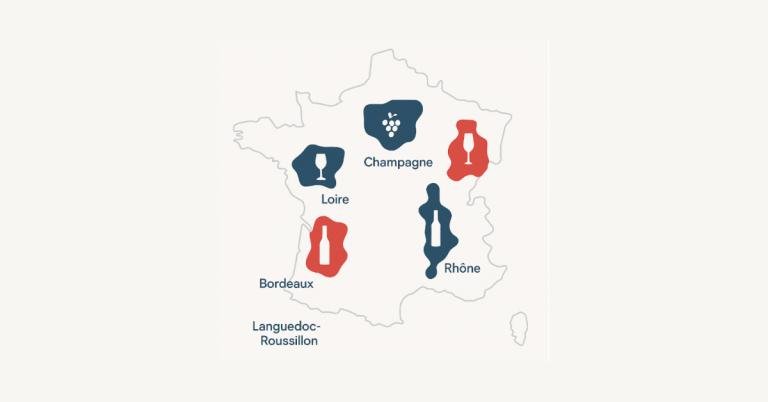
French Wine Regions: A Guide for Investors and Enthusiasts
France stands as the heartland of fine wine, with its diverse regions producing some of the world's most sought-after and investment-worthy bottles. Whether you're building a wine portfolio or simply...
Spanish Wine Regions: A Guide to Spain's Wine Country Gems
Spain stands as the world's largest wine-growing country with an impressive 968,000 hectares of vineyards spread across diverse landscapes. From the verdant hills of the north to the sun-drenched plains of...

Wine Movie Picks for Every Wine and Cinema Lover
For those who appreciate the artistry of wine alongside the magic of cinema, there's nothing better than a film that celebrates viticulture. Whether you're sipping a glass of your favorite...